Build Functional Strength with Minimal Equipment
Build real-world strength with bodyweight moves, bands, and a kettlebell. Learn smart progressions, full-body circuits, and recovery that fits your space.
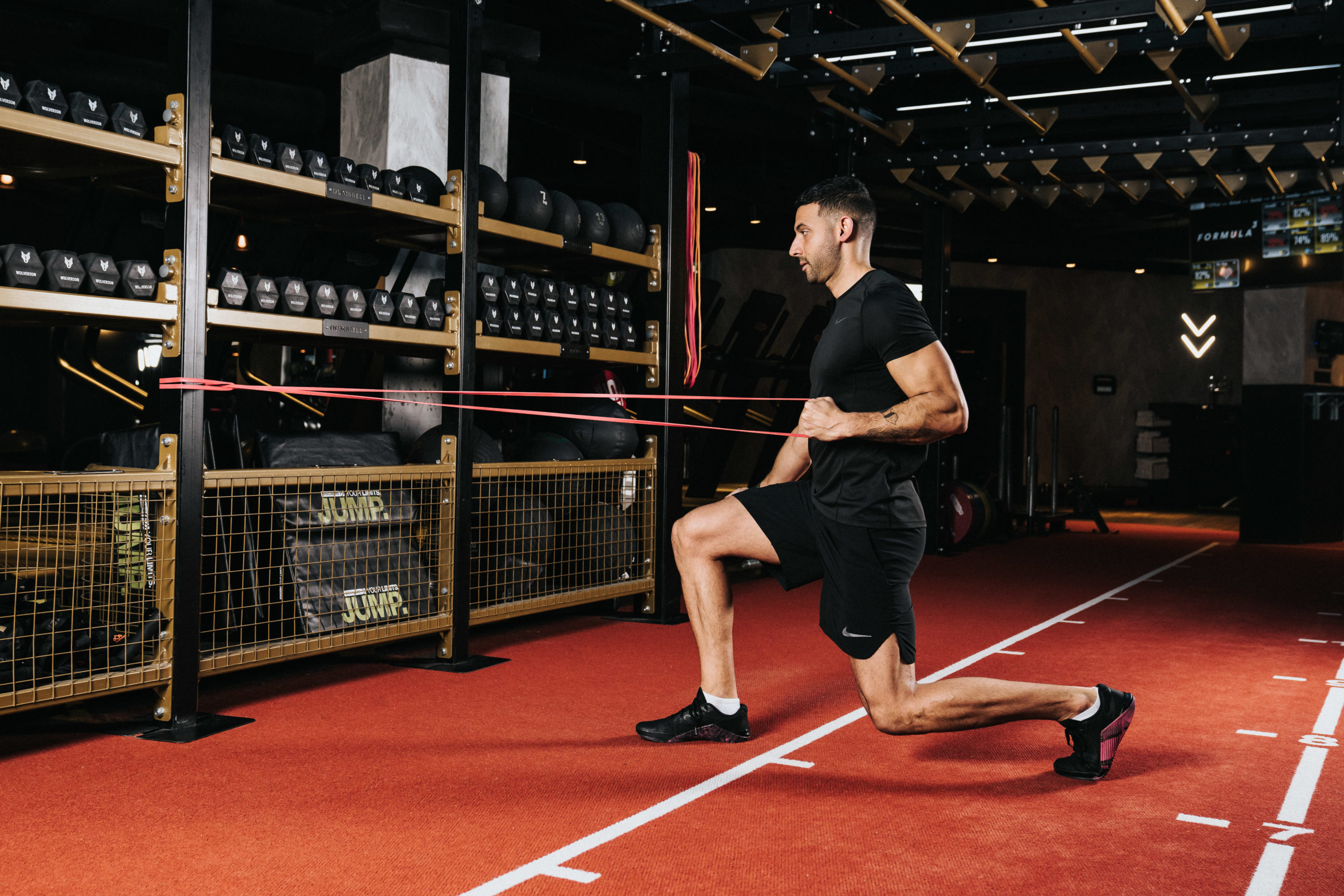
Start with Movement, Not Machinery
Functional strength is the capacity to move well in everyday life—lifting, carrying, climbing, bracing, and stabilizing under real-world conditions. You can build it with minimal equipment by focusing on universal movement patterns rather than isolated muscles. Prioritize quality over quantity: crisp technique, smooth breathing, and a stable core create a base for sustainable progress. Train compound moves that challenge multiple joints and planes of motion, so the effort transfers to chores, sports, and spontaneous adventures. Keep sessions simple and repeatable; a few reliable tools and a plan you genuinely enjoy will outperform a complex setup you rarely use. Apply progressive overload by gradually increasing reps, time under tension, or complexity. Blend controlled strength work with light mobility and balance drills to keep joints happy and tissues resilient. With patience, consistency, and smart recovery, your body becomes stronger, more coordinated, and better prepared for the unpredictable demands of daily life.
Smart, Minimal Equipment Choices
You do not need a full gym to build impressive, usable strength. A single kettlebell or a pair of adjustable dumbbells covers hinges, squats, presses, and carries. Add resistance bands for rows, pull-aparts, face pulls, and assisted pull-ups, and to adjust load curves safely. A sturdy pull-up bar or dependable anchor supports hanging, pull-ups, and core work that decompresses the spine. A loaded backpack or sandbag offers budget-friendly, awkward resistance that challenges stabilizers and grip. A jump rope provides efficient conditioning in a small space. Choose gear that is durable, comfortable to handle, and easy to store, so setup never becomes a barrier. Think in categories: one tool to push and pull, one to hinge and squat, one to carry and condition. Check anchors, clear floor space, and maintain your equipment. With just a few versatile items, you can train every major pattern, scale load precisely, and keep workouts fresh without clutter or complexity.
Warm-Up and Mobility That Matter
A purposeful warm-up elevates temperature, sharpens focus, and safeguards joints. Begin by syncing breath with movement—slow nasal inhales, full exhales, and gentle core bracing to set rib and pelvis position. Add a short pulse-raiser such as marching, light rope work, or brisk shadow boxing to awaken coordination. Move into mobility flows: ankle rocks for better squats, hip openers for strong hinges, and thoracic rotations to free your upper back for pressing and pulling. Use bands for scapular activation with pull-aparts and face pulls, and practice controlled crawls or bear holds to integrate shoulders, trunk, and hips. Finish with a few pattern-specific rehearsals—bodyweight squats, hinge drills, or plank variations—so your first loaded reps feel familiar. Keep everything smooth and pain-free, emphasizing range of motion, posture, and balance. This compact routine primes the nervous system, boosts joint lubrication, and builds the movement quality that turns every rep into productive practice.
Master the Five Patterns
Center your plan on five pillars: hinge, squat, push, pull, and carry. For the hinge, choose kettlebell deadlifts or swings, or a backpack Romanian deadlift to groove hip drive while protecting the lower back with neutral spine. For squats, goblet squats build posture and depth; tempo or pause reps improve control and mobility. For pushing, elevate or incline push-ups to match your strength, add band-resisted presses, or practice pike variations to challenge shoulders and core. For pulling, use band rows, pull-ups, or towel rows from a secure anchor to train lats, mid-back, and grip. Finish with carries—farmer, suitcase, or overhead—using a kettlebell, dumbbell, or loaded bag to develop bracing, gait stability, and real-world resilience. Keep reps smooth, own the top and bottom positions, and breathe intentionally. Aim for full-body sessions that touch each pattern, blending strength, stability, and coordination so progress compounds across your entire athletic foundation.
Progress Without More Weight
When equipment is limited, lean into progression tactics that do not rely on heavier loads. Manipulate tempo by slowing lowers, adding pauses, or using isometric holds to create deep tension. Expand range of motion with deficit push-ups, elevated split squats, or deeper hinges, always within pain-free control. Shift to unilateral work—single-arm presses, split squats, and single-leg hinges—to challenge balance, stabilize hips, and stimulate new adaptation with modest weight. Increase density by keeping quality high while gradually reducing rest or fitting more work into the same window. Adjust leverage with foot or hand positions, shorten or lengthen moment arms, or elevate the feet for harder variations. Use rep ladders or clusters to manage fatigue without losing technique. Auto-regulate with a simple effort scale, stopping sets when speed slows or form wavers. These strategies keep training fresh, sustainable, and effective, turning limited gear into a rich spectrum of athletic challenges.
Recovery, Fuel, and Habit Design
Strength is built in training and revealed through recovery. Prioritize consistent sleep, easy daily movement, and brief mobility check-ins to keep tissues supple. Sprinkle in walks, gentle breath work, and light positional holds to reduce stiffness. Support your work with balanced nutrition: include ample protein for muscle repair, colorful produce for micronutrients, smart carbohydrates around training for energy, and steady hydration with a pinch of electrolytes as needed. Eat mindfully, aim for slow meals, and monitor hunger and recovery signals rather than strict rules. Build habits that remove friction: lay out gear in advance, schedule sessions you can keep, and track reps or variations in a simple log to celebrate wins. Respect deloads by scaling volume or intensity when life ramps up. Manage stress with breathing and short outdoor breaks. A resilient routine blends challenge with restoration, ensuring your strength gains stick and your enthusiasm stays high.
Put It Together, Safely and Simply
Create a minimalist plan that fits your week and environment. Rotate full-body sessions that cover hinge, squat, push, pull, and carry, adjusting volume to match energy and schedule. Start with your warm-up, then anchor two to three primary lifts, and finish with brief conditioning or a loaded carry. On non-lifting days, use mobility flows, easy aerobic work, or skill practice to maintain momentum without fatigue buildup. Emphasize safety: clear your training space, inspect anchors and straps, choose stable footwear, and respect your grip. Keep a neutral spine, brace before you move, and exhale through effort to manage pressure. Progress one variable at a time—tempo, reps, range, or complexity—so changes are measurable and sustainable. When a variation feels crisp, nudge it forward; when form slips, step back and own the basics. Over time, this steady, simple approach turns minimal tools into maximum functional capability for sport, work, and life.