Culture First: Immersive Experiences Beyond the Tourist Path
Go beyond must-see lists: cook with locals, ride public transit, join neighborhood festivals, and listen deeply—immersive travel that puts culture first.
Rethinking the Itinerary
Choose culture first by trading the checklist for a rhythm that lets a place speak. Begin with slow travel: linger in neighborhood parks, watch early-morning markets open, and notice everyday rituals that rarely make glossy brochures. Aim for cultural humility over conquest—ask questions, listen more than you talk, and let curiosity guide you down side streets instead of only headline sights. Strike up gentle conversations with shopkeepers, observe how families gather, and learn the unspoken rules of buses, bakeries, and barbers. The reward is a deeper map—one drawn from textures, aromas, and ordinary kindness. Wander on foot wherever you can; it sharpens your sense of scale and serendipity. When you do plan, leave space between moments so listening can lead. A culture is not a museum exhibit; it is a living system of values, humor, and compromise. Traveling this way reveals a destination's local community as teachers, not props, and turns your journey into a dialogue instead of a performance.
Learning Through Taste
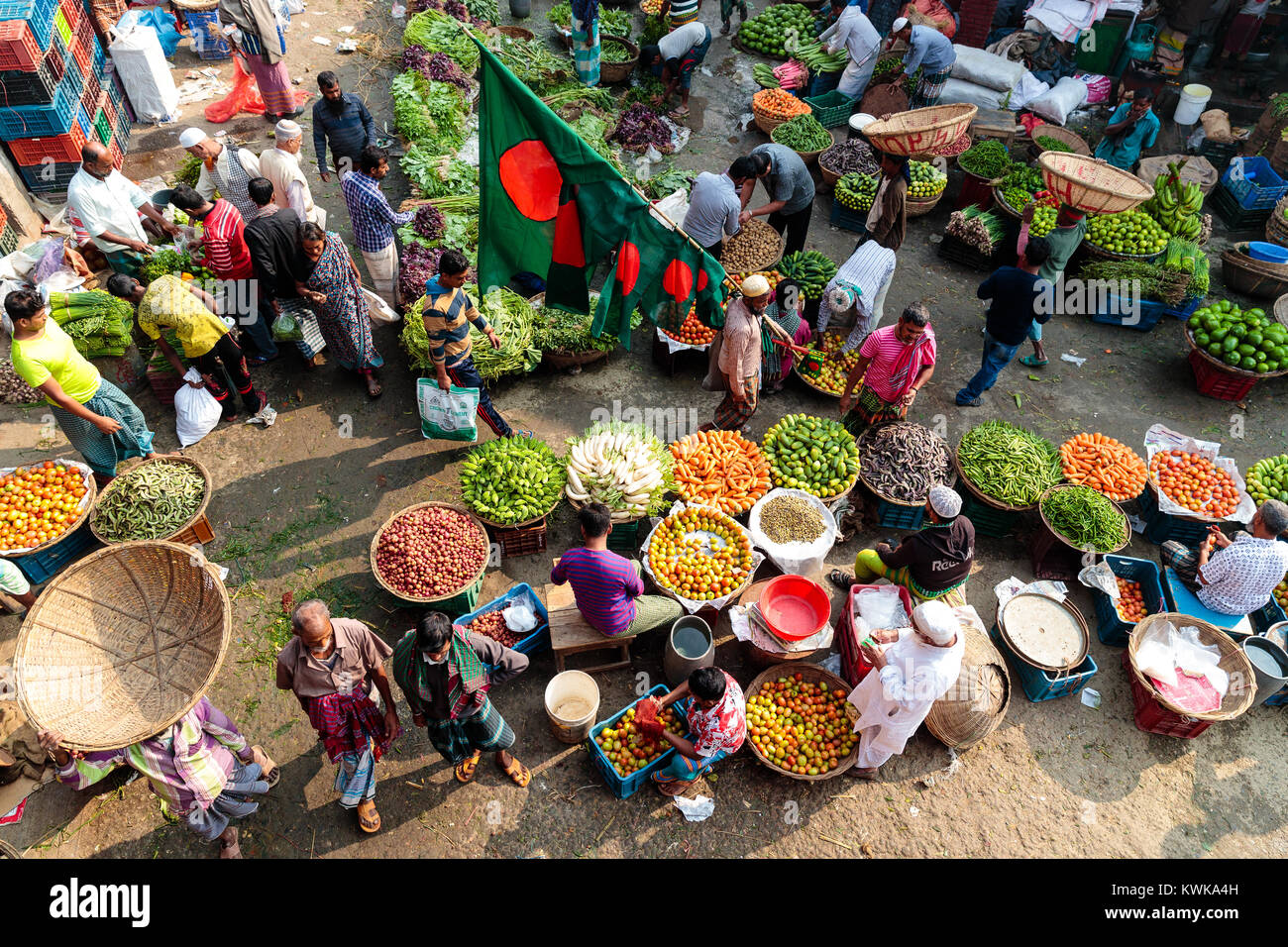
Food is a fluent language of place, and the most accessible path to immersion is the plate. Visit morning markets to read a city's priorities in its produce, seafood, and spices; ask vendors about seasonality and how ingredients travel from farm to stall. Try street food where locals queue, and observe how people order, pay, and share space. If you join a cooking lesson, seek one that centers home-style techniques—learning to temper spices, shape dough, or fold dumplings situates you inside a living kitchen, not just a demonstration. At small eateries, pay attention to etiquette: where to sit, when to pour tea, how to pace a meal. Consider foodways—the stories behind recipes, migration routes, and climate—because understanding them turns a dish into a chapter of history. A shared table dissolves barriers quickly; offer to exchange recipes, trade tasting notes, and ask for suggestions on where to try something new tomorrow, building trust one bite at a time.
Crafts and Living Heritage
Behind every handmade bowl, shawl, or mask is a network of craft tradition and patient hands. Seek workshops where artisans explain materials, tools, and motifs, revealing intangible heritage that textbooks compress into a paragraph. Watch the rhythm of a loom or the breath that steadies a potter's wheel, and you begin to understand apprenticeship, time, and the cost of mastery. When buying, practice ethical purchasing: look for maker transparency, pay the asking price without pressing for a dramatic discount, and choose work that sustains local livelihoods rather than mass-produced imitations. Ask to try a simple step—carving one line, polishing one bead—so you feel the labor embedded in beauty. Document the story behind your piece so it remains more than an object. Your support signals that handmade matters, encouraging younger generations to keep learning and adapting. In return, you carry home not a souvenir, but a relationship—a reminder that culture thrives when its makers can live from their art.
Language as a Bridge
Even a handful of phrases can shift you from spectator to participant. Learn greetings, gratitude, numbers, and polite forms; get the pronunciation close, then smile at your mistakes. People forgive errors when effort is clear. Use respectful communication: speak slowly, make eye contact when appropriate, and mirror the tone and volume of locals. Notice nonverbal cues—how people queue, gesture, or signal agreement—because etiquette often rides beneath words. Translation tools are helpful, but let them support rather than replace active listening. Write key phrases in a pocket notebook so you can point when words fail. Ask how names and places are properly said; it shows care and opens stories. Pay attention to dialects and loanwords carried by trade and migration; they reveal the neighborhood's layered past. Language is not merely vocabulary; it is worldview in motion. Each new word becomes a small bridge, turning transactions into conversations, and conversations into connection.
Festivals, Faith, and Everyday Rhythm
Cultural calendars beat with parades, processions, and quiet rituals that structure belonging. If you're invited to observe or join a celebration, lead with consent, patience, and photography etiquette. Some moments are meant to be felt, not filmed. Dress with modesty where expected, follow sacred space rules, and ask where to stand, sit, or step. Offerings, greetings, and silences carry meaning; mirror what trusted locals do. Beyond headline events, notice the daily cadence: when shutters rise, when tea breaks ripple across offices, how families fill parks after dusk. These patterns teach you where conversation dwells—at the bakery counter, the barbershop, the corner bench. Respect boundaries: do not intrude on private ceremonies or block pathways for the perfect photo. When unsure, ask a steward how to be helpful and unobtrusive. Participating gently turns spectacle into shared presence, and you leave with an embodied memory of a place breathing through its customs rather than a checklist of images.
Giving Back Without Taking Over
A responsible tourism mindset asks: how can this trip contribute rather than extract? Start with carbon-light choices—walk, cycle, or take public transit when possible—and carry refillable bottles to reduce waste. Seek community-based experiences led by locals with transparent ownership and fair compensation. Book homestays or small guesthouses, eat at family-run eateries, and hire neighborhood guides who interpret their own stories. If you volunteer, avoid short stints that displace jobs; prioritize skill-sharing requested by the community or simply support existing initiatives with funds and respect. Practice leave-no-trace outdoors and leave-every-place-better in cities: pick up litter, share accurate information, and refrain from geotagging fragile sites. Tip generously when service norms suggest it. Most of all, commit to long-term relationships: stay in touch, return, or recommend businesses ethically. When travelers choose culture first, they help keep traditions viable, ecosystems resilient, and dignity central—proving that the richest journeys are mutual investments in place and people.