Global Flavors: A Traveler's Guide to Street Food and Local Eats
From Bangkok's sizzling night markets to Mexico City's taco stands, discover how to find, taste, and respectfully enjoy street food worldwide.
Savor the Streets
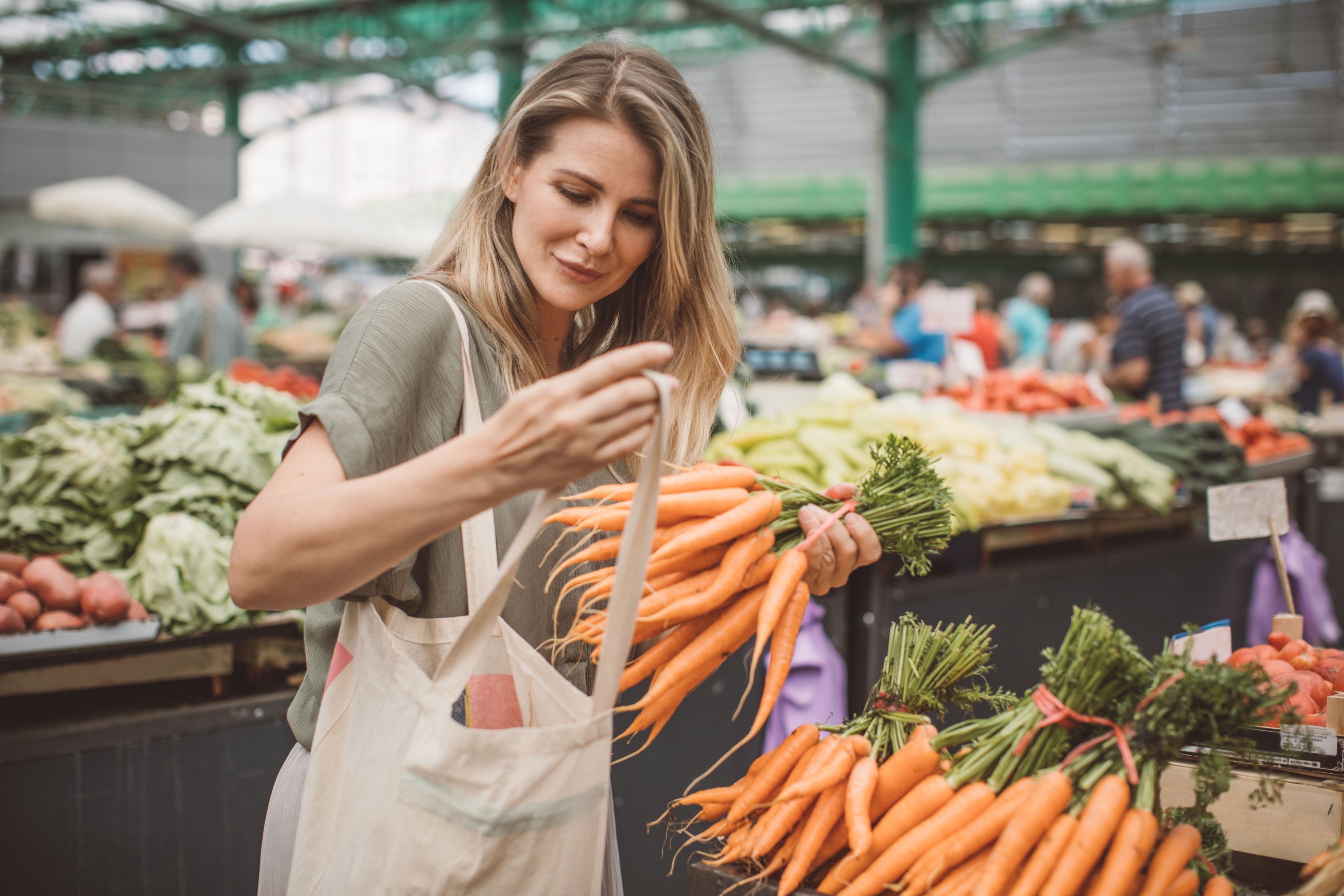
Street food is the fastest route to the heart of local culture, a living map you can taste with every bite. Start at bustling markets where sizzling griddles, smoky skewers, and bubbling pots announce what is freshest that day. Watch how a vendor layers textures and sauces; this choreography reveals the soul of a dish. Follow turnover: long, steady lines of locals and a constant flow of orders usually mean fresh ingredients and reliable flavor. Time matters too; morning brings hearty breads and broths, midday favors grills, and evening often spotlights sweets and snacks. Trust your senses: a stall that is tidy, with covered ingredients and food reheated until piping hot, signals care. Bring small cash for quick transactions, greet the vendor, and be patient with the queue. A smile bridges languages, and a short chat often leads to a small extra garnish or a better understanding of regional seasonality and customs.
Decoding Menus Without Words
When words fail, let nonverbal communication lead. Point to ingredients you recognize, watch what others order, and use simple gestures for small or large portions. Scan the setup: stalls that display components clearly make choosing easier, especially when you spot familiar bases like rice, noodles, or flatbreads. Indicate spice level by showing a pinch for mild or a confident nod for fiery; many vendors keep adjustable condiments such as chili, citrus, herbs, and pickles to tune flavor. If you have dietary needs, practice a few key phrases or show a card that highlights vegetarian, nut-free, or other essentials; keep requests simple and kind. Observe pricing boards or pre-set trays to gauge value before ordering. Sit near the action to see last-minute finishing touches, then imitate those choices on your plate. Most of all, let curiosity guide you; the combination of attentive listening, careful watching, and friendly gestures unlocks a surprising range of local eats.
Smart Safety and Etiquette
Confidence at the curb comes from balanced food safety and thoughtful etiquette. Choose stalls with strong turnover, where dishes are cooked to order or kept steaming hot; avoid lukewarm items sitting idle. Prefer cooked foods and peelable fruits if your stomach is adjusting, and sip sealed or freshly boiled beverages. Look for basic hygiene cues: tongs or ladles for serving, separate cash handling, covered ingredients, and clean prep boards. Carry hand sanitizer or wipes for quick hand hygiene before you dig in. At the counter, move aside after ordering to keep the line flowing, return bowls or skewers to the bin provided, and never block the cart for photos. Ask permission before photographing people, and accept prices as posted unless negotiation is clearly expected. Dispose of trash neatly, share communal tables graciously, and offer a simple thank you in the local language. These small acts of respect keep the scene welcoming for everyone.
Budget, Bargains, and Hidden Gems
Street food is a masterclass in value when you strategize your budget. Build a progressive meal by sampling small plates across several vendors; it stretches your wallet and broadens your palate. Share bites with companions to compare portions without overordering. Scan for combo trays, rotating pots, or daily stews, which often deliver hearty satisfaction at modest prices. Follow locals to stalls tucked just off main roads, near neighborhood markets, bus stops, and university streets, where rents are lower and turnover is high. Seek clarity: posted prices, visible ingredients, and a clear workflow reduce surprises. Skip aggressive touts and let aroma, line length, and visible freshness guide you instead. If a specialty looks complex, ask the vendor for a recommended version or balanced toppings; expertise often points to the standout bite. Keep small bills handy, tip only where customary, and invest saved coins in a final treat, like a seasonal fruit cup or a warm, flaky pastry.
From Stall to Story: Bringing Flavors Home
Turn each bite into flavor memory by watching techniques as closely as you taste. Note the base aromatics, the order of cooking, and the final shower of herbs or crunch. Jot details in a compact food journal: textures, heat, acidity, sweetness, and the role of condiments. Consider buying small packets of spices or pantry staples from reputable markets, wrapped securely and carried in accordance with local rules. Back home, recreate the rhythm: pre-chop ingredients, heat your pan confidently, and layer flavors as the vendor did. Build a pantry that mirrors the road—vinegars, chilies, citrus, toasted seeds—so weeknight dishes echo your travels. Host a casual tasting with small plates and standing-room energy to mirror curbside camaraderie. Share the backstory of each dish, from the clatter of the cart to the steam rising at dusk; this is culinary storytelling that keeps journeys alive long after the passport is tucked away.