Haircare Myths Debunked: What Really Works
Cut through haircare hype: we bust myths on trims-for-growth, cold rinses, scalp oils, silicones, and heat—plus proven, science-backed habits that work.
Cleansing Frequency: Finding Your Real Wash Rhythm
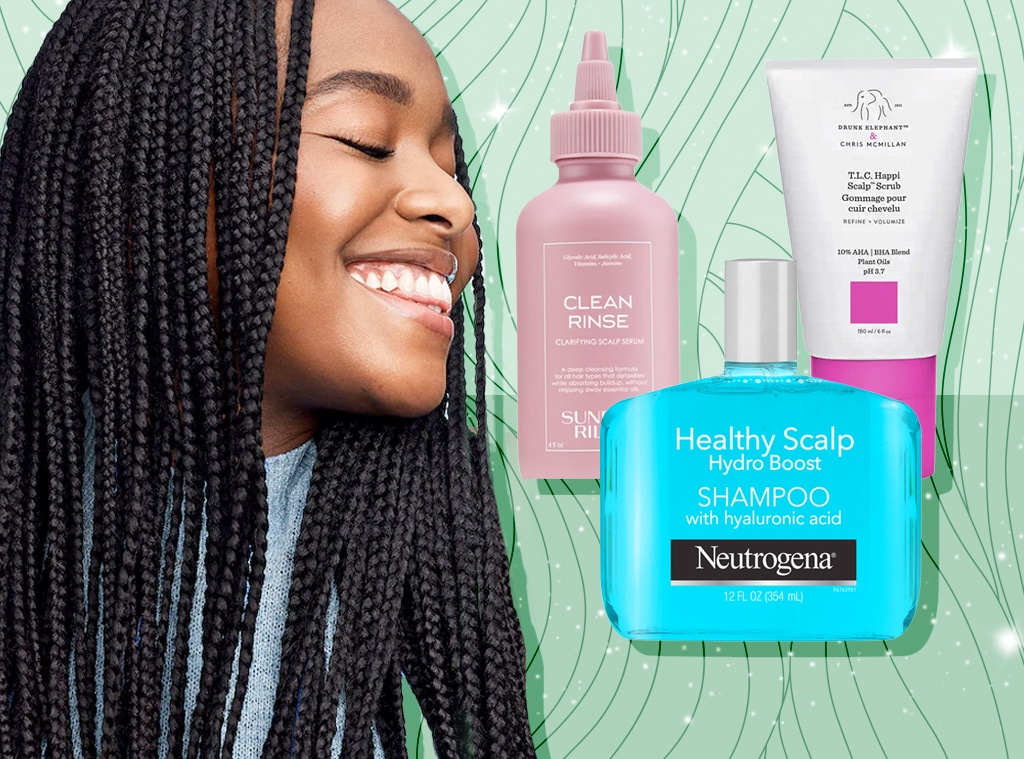
The myth that everyone should wash hair daily or, conversely, as rarely as possible ignores how unique each scalp is. Your optimal routine depends on sebum production, activity level, and styling habits. A balanced approach supports the scalp microbiome while preventing build-up that can dull shine and weigh styles down. Focus shampoo where oil and sweat collect most—the scalp—and let the suds lightly pass through lengths. Emulsify product in your hands to improve spread, use lukewarm water, and follow with conditioner on mid-lengths and ends to replenish slip. Curly or coily patterns often thrive with co-washing or gentle, low-foaming cleansers, while fine, straight hair may prefer lighter formulas and more frequent refreshes. Clarifying occasionally helps reset if you use heavy stylers, mineral-laden water, or spend time at the gym. The real rule is responsiveness: let scalp feel clean but not tight, lengths smooth but not coated, and adjust as seasons, workouts, and hairstyles change.
Trims and Growth: What Scissors Really Do
Cutting hair does not make it grow faster—growth happens at the follicle. However, regular dusting or trims are powerful because they prevent split ends from traveling upward, which reduces breakage and preserves the length you earn over time. Think of trims as a maintenance plan for hair fiber integrity, not a speed booster. Between salon visits, protect ends with leave-in conditioners, seal with lightweight serums when needed, and minimize fraying from friction. Small habits help: switch to a satin or silk pillowcase, secure hair loosely for sleep, and detangle gently from ends to roots. When stretching time between cuts, watch for snags, thinning at the tips, or a rough feel—signs your ends need attention. Pair trims with consistent hydration and, if your hair tolerates it, periodic protein to reinforce weak spots. The result is steadier retention, fewer tangles, and a fuller-looking hemline that showcases real progress.
Oils and Moisture: Hydration Requires Water
A common myth says oils equal moisture. In truth, moisture means water within the hair shaft; oils and butters are primarily occlusives and emollients that smooth, soften, and slow water loss but do not hydrate by themselves. To truly quench dryness, start with water or a water-based leave-in using humectants like glycerin or aloe, then layer an emollient cream or a few drops of oil to lock it in according to your hair's porosity. High-porosity hair may appreciate richer blends, while low-porosity types often do better with lighter textures and warm water to aid penetration. Oils can shine in pre-shampoo (pre-poo) treatments to reduce swelling and friction during washing, particularly coconut, sunflower, or olive oils applied lightly. On the scalp, routine oiling is optional; some scalps love it, others develop build-up. Watch feedback: itch, flakes, or limp roots signal overuse. Use oils strategically as finishing touches or protective layers, not as a stand-in for water.
Sulfates and Silicones: Context Over Hype
Not all sulfates are harsh, and not all silicones are bad. The real question is fit and frequency. Stronger anionic surfactants lift heavy grime and styling residue effectively, which can be helpful for very oily scalps or robust build-up. Milder cleansers suit drier textures and color-treated hair. Meanwhile, silicones such as amodimethicone or water-dispersible forms can smooth cuticles, reduce friction, add gloss, and offer heat protection, especially on porous or frizz-prone strands. Issues arise when products are mismatched or layered without periodic clarifying, leading to coating or limpness. If your hair feels waxy, tangles oddly, or styles fall flat, rotate in a clarifier and rebalance with hydration and protein as needed. Curly patterns may prefer strategic silicone use—on wash day or before heat—plus silicone-free stylers for bounce. The bottom line: let performance guide choices, not labels. Evaluate how hair looks, feels, and behaves across a few washes and adjust accordingly.
Heat Styling: Manage Risk, Not Fear
Heat does not have to be the enemy when used with intention. Damage is driven by temperature, time, and tension. Mitigate all three: apply a true heat protectant that forms a sacrificial barrier, choose the lowest effective setting, work in small sections, and keep tools moving to avoid hotspots. Hair should be completely dry before flat ironing to prevent bubbling and brittleness. Blow-dry with a nozzle, maintaining airflow down the cuticle to boost shine, and consider ceramic or tourmaline tools for more even heat. Diffusing curls on low to medium settings with a touchable hold product preserves pattern while cutting drying time. Air-drying is gentle but can lead to prolonged wetness and hygral fatigue; blot with a microfiber towel or cotton T-shirt to reduce swelling and frizz. Balance heat days with recovery: deep conditioning, protein when appropriate, and protective styles. Smart technique turns heat from a hazard into a precise finishing tool.
Brushing and Scalp Care: Smart Strokes Only
The myth of brushing 100 strokes for shine overlooks how over-brushing can rough up the cuticle and create breakage, especially on fragile or textured hair. Instead, treat detangling as a preservation step: mist with a slip-enhancing conditioner, start at the ends, and move upward with a wide-tooth comb or flexible detangling brush. Curly and coily patterns often benefit from finger detangling to respect clumps and reduce shed-hair knots. Brushing can distribute natural sebum on straighter hair, but choose tools wisely—softer bristles for polishing, cushioned pins for detangling, and avoid aggressive scraping on the scalp. Gentle scalp massage with fingertips during cleansing helps lift debris and can make the routine more effective and relaxing. Flakes can stem from dryness, oiliness, or product residue; adjust wash cadence, use lightweight toners, or a targeted scalp exfoliant when needed. Healthy scalps are the foundation of beautiful hair, so keep the focus on cleanliness, comfort, and balanced hydration.
Natural vs. Synthetic: Choose Results, Not Labels
In beauty, natural does not automatically mean safer, and synthetic does not mean harmful. What counts is formulation, pH balance, and how your hair and scalp respond. Plant oils, botanical extracts, and butters can be wonderful, yet they can also irritate some users. Laboratory-crafted conditioners and silicones may deliver exceptional slip and protection with consistent quality. Preservatives are important allies; they keep water-based products safe from microbes. Prioritize fragrance level you tolerate, patch test new leave-ins or stylers, and pick textures that match strand width and porosity. Build a simple, scalable routine: cleanse for the scalp you have, condition for the hair you want, nourish with targeted actives, and protect against friction, UV, and heat. Read ingredient lists for function—not fear—looking for humectants, emollients, film-formers, and proteins that address your goals. Ultimately, the best routine is the one you will follow, because consistency outperforms marketing claims every time.