HIIT Workouts You Can Do in 20 Minutes or Less
Short on time? Try these fast, effective HIIT routines you can finish in 20 minutes or less, with options for beginners to advanced and no equipment.
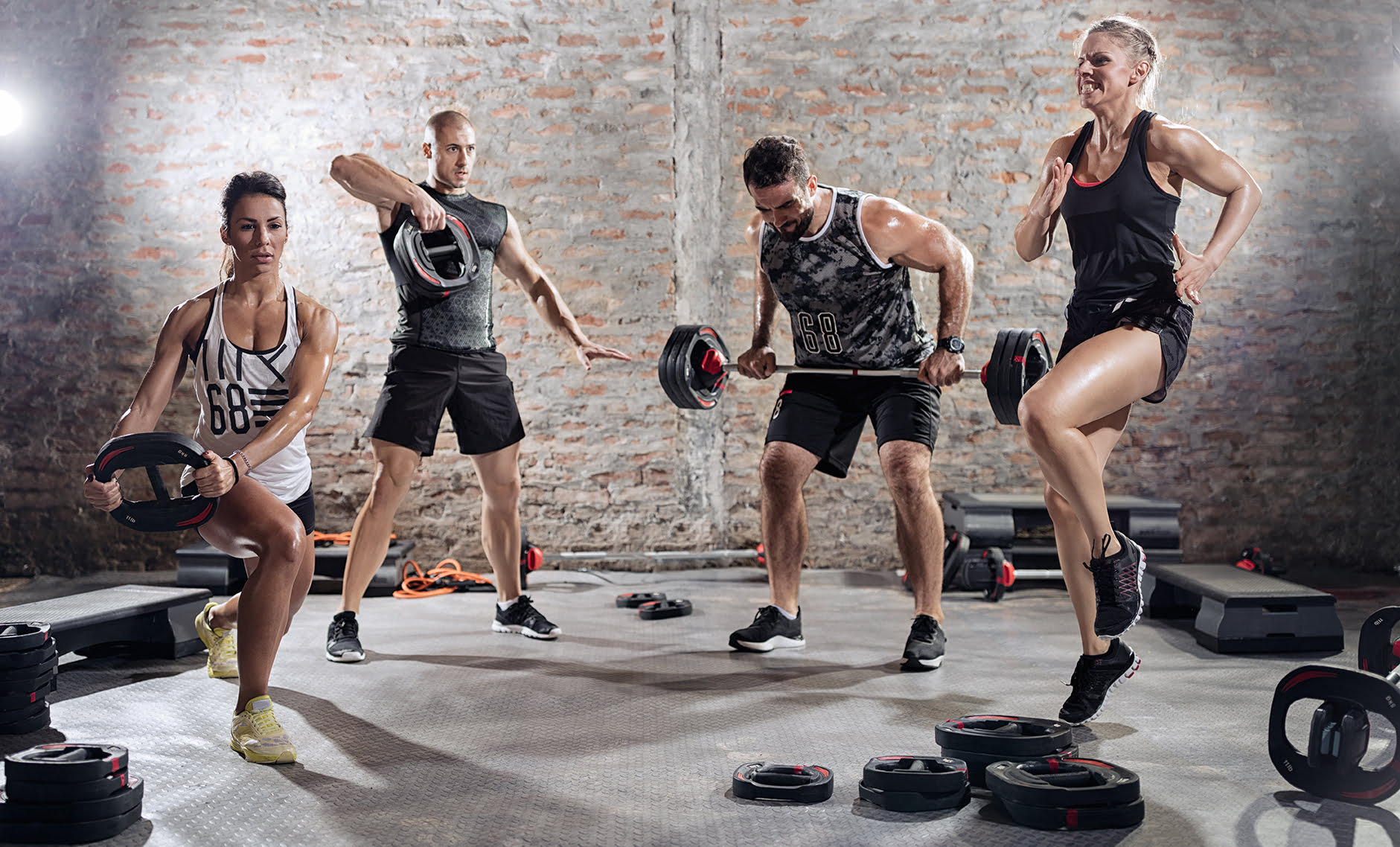
Why HIIT Fits 20 Minutes: HIIT turns short windows into powerful training by pairing brief, high-effort intervals with controlled recovery. Think of it as strategic sprinting for your whole body: work hard, rest just enough, then repeat. This approach boosts calorie burn during and after your session thanks to EPOC (excess post-exercise oxygen consumption), while improving aerobic and anaerobic capacity. Keep it simple with compound movements that recruit multiple muscle groups, and guide intensity with an RPE scale: aim for 8–9 on work bouts and 4–5 on recovery. A small work-to-rest ratio shift can scale difficulty—longer work or shorter rest increases the challenge. Prioritize form over speed, especially as fatigue builds, and use a timer to eliminate guesswork. A quick warm-up and brief cooldown fit easily into the 20-minute window, making this style sustainable. Whether you choose bodyweight circuits, light weights, or sprints, the principle stays the same: crisp efforts, mindful rest, repeat.
Bodyweight Blast in Minutes: When equipment is scarce, a no-gear HIIT circuit delivers. Set a timer for 15 minutes of work and use a 40-seconds on, 20-seconds off rhythm for three rounds of five moves: fast air squats or squat jumps, push-ups, alternating reverse lunges, mountain climbers, and burpees or step-out burpees. Transition quickly and keep posture tall, core braced, and knees tracking over toes. Choose low-impact options as needed: step back instead of jumping, incline push-ups on a bench, or slower climbers with perfect alignment. For extra punch, finish each round with 20 seconds of max-effort high knees. Expect heart rate to climb and legs to burn; focus on breathing—inhale through the nose on recovery, exhale sharply on effort. Add a 3-minute warm-up of joint circles and light jogging plus a 2-minute cooldown of walking and stretches to land under 20 minutes. Consistency beats complexity; master this flow before progressing.
Dumbbell Power Intervals: A pair of light-to-moderate dumbbells adds resistance without slowing your rhythm. Try three rounds of five moves at 45 seconds on, 15 seconds off for a 15-minute main set: dumbbell thrusters for total-body drive, renegade rows for anti-rotation core strength, alternating push press for shoulder power, Romanian deadlift to high pull for posterior-chain pop, and lateral lunge to curl for frontal-plane control. Keep a neutral spine, hinge from the hips, and lock in a core brace before each rep. Choose a load that lets you move crisply while maintaining perfect form, stopping 1–2 reps shy of failure. If grip fatigue hits early, drop to 40 seconds work and add 5 seconds to rest, or alternate hands on unilateral moves. For variety, swap high pulls for dumbbell swings or the push press for a strict press to emphasize control. Finish with a short cooldown and note your RPE to track progression week to week.
Sprints Anywhere, Anytime: For a pure engine boost, pair intense sprints with easy recoveries on a treadmill, bike, rower, or outdoors. After a smooth warm-up of ramped effort, run 12 minutes of intervals such as 30 seconds hard, 45 seconds easy, aiming for RPE 8–9 on the push and 3–4 on recovery. Keep posture tall, drive from the hips, and land softly under your center of mass. On bikes or rowers, chase powerful strokes with quick resets and relaxed shoulders. Hills or resistance settings make sprints more joint-friendly; flatter ground invites higher cadence. Keep rest truly easy—quality recoveries preserve the next burst. Finish with a gentle cooldown and a few hip and calf mobilizations. To scale, shorten hard bouts to 20 seconds or extend recoveries to 60 seconds; to progress, add a round or slightly lengthen the work phase while keeping form pristine. The goal is repeatable intensity, not a single all-out effort that derails technique.
Core and Conditioning Finisher: When you want a midsection that supports speed and power, combine anti-rotation, anti-extension, and dynamic patterns in a brisk circuit. Set a timer for 16 minutes: 30 seconds on, 15 seconds off, cycling through plank jacks, dead bug or hollow hold, bear crawl forward and back, and side plank switches. Keep ribs stacked over pelvis, exhale on exertion, and fight rotation with strong bracing. Layer in cardio spice by turning plank jacks into slow, controlled taps, or by adding knee drives in bear crawls. If shoulders tire, swap side planks for a glute bridge march to maintain trunk engagement without overloading the upper body. Aim to move crisply while protecting spinal alignment; if low back tension creeps in, shorten range or reduce speed. This concentrated core HIIT sharpens stability that transfers to squats, sprints, and presses, polishing posture and breathing mechanics within a tight time cap.
Recovery and Progression Made Simple: The secret to lasting results is smart recovery and steady progression. Cool down with 2–4 minutes of relaxed walking or easy pedaling, nasal breathing, and gentle mobility for hips, ankles, and thoracic spine. Rehydrate, add a protein-rich meal or snack, and log your RPE, intervals, and any form notes. To progress, adjust one variable at a time: extend work by 5–10 seconds, trim rest slightly, add a round, or nudge load up while protecting technique. Rotate movement patterns—push, pull, hinge, squat, carry—to keep joints happy and performance rising. Build in easier days when stress or sleep dips, and stack sessions nonconsecutively for better adaptation. Use a simple timer, choose a focus (power, endurance, or core), and show up consistently. Over time, your capacity to hit high intensity and recover cleanly will climb, turning 20 minutes into a reliable, high-impact anchor for your sports and fitness routine.