Home Gym Setup Ideas on Any Budget
Create a home gym that fits your space and wallet. From zero-cost bodyweight setups to smart mid-range buys, get practical tips, layouts, and equipment picks.
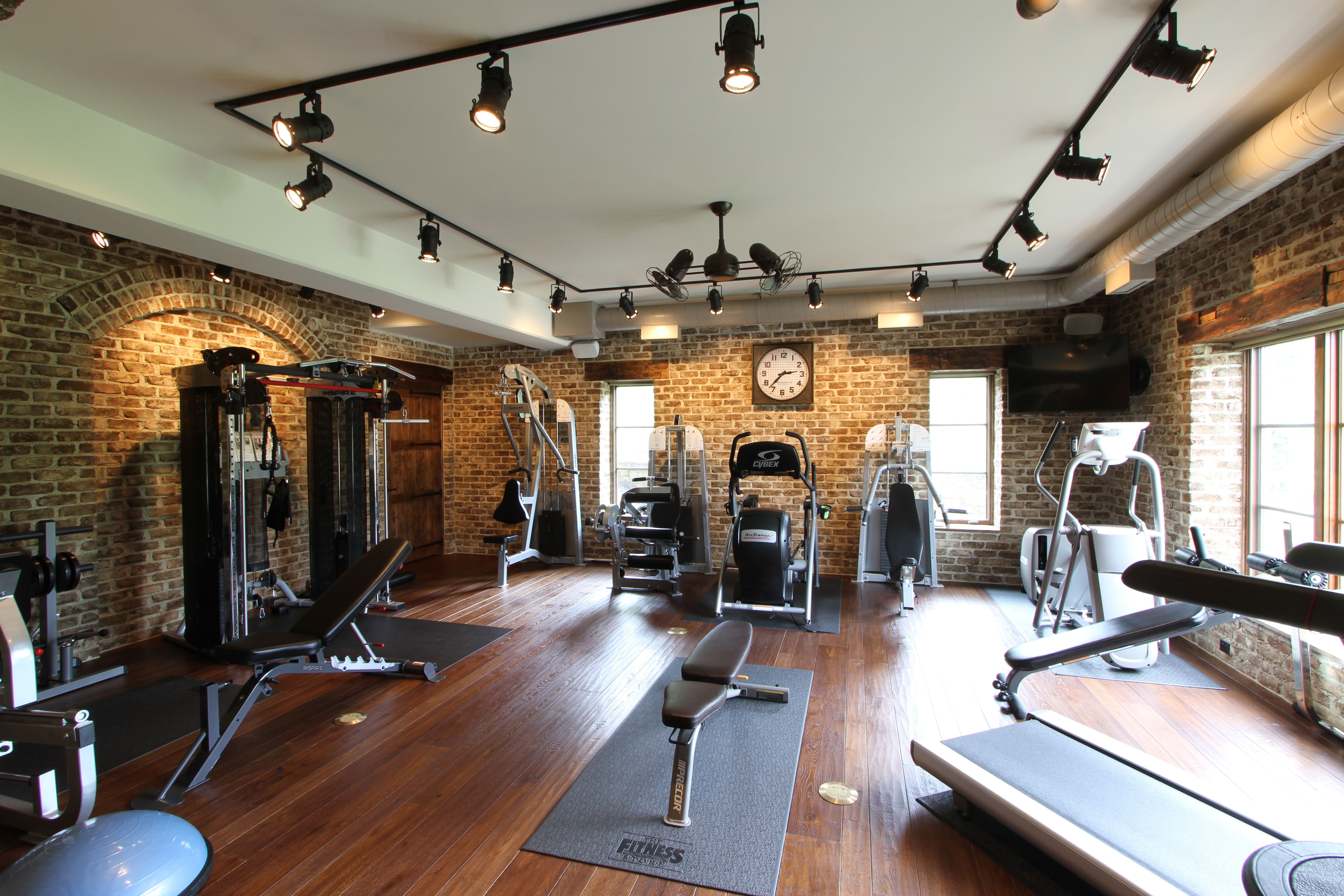
Plan Your Purpose — Before buying gear, define training goals, measure your space, and set a realistic budget that protects your essentials. Clarity prevents impulse buys and maximizes results. Identify whether you prioritize strength, conditioning, mobility, or a balanced blend. Note how often you will train and how long sessions will last, then choose tools that serve those sessions. A small corner can deliver big progress if you focus on versatile equipment and progressive overload. Sketch a floor plan that includes movement lanes for lunges, burpees, or kettlebell swings, and mark storage zones to keep the area tidy. Factor in ventilation, lighting, and noise control so workouts feel inviting. Commit to a weekly schedule and a simple tracking method to measure consistency. Treat your plan like a living document; refine it as you learn what you enjoy and what you actually use. Smart planning is the highest return investment for any home gym.
Minimalist Muscle Kit — You can build strength and stamina with a minimalist setup that fits under a bed or in a closet. Start with a sturdy yoga mat for joint-friendly groundwork, a set of resistance bands with handles and anchors, and a doorframe pull-up bar if your frame allows safe installation. Add a single kettlebell or a pair of light dumbbells to unlock hinges, goblet squats, presses, and loaded carries. Use a backpack filled with books as a budget weight substitute. Program full-body circuits that mix compound movements and mobility: squats, hinges, pushes, pulls, and core bracing. Progress by increasing reps, slowing tempo, or shortening rest. Pair strength work with brief interval conditioning like high-knee marches or shadow boxing. This kit trains every major pattern, travels easily, and encourages consistent practice. When space or money is tight, mastery of basics beats a room full of unused gadgets.
Make Small Spaces Work — Small areas thrive on organization, vertical storage, and multiuse tools. Choose foldable benches, collapsible racks, and nesting adjustable dumbbells to shrink your footprint. Use wall hooks for bands, a compact rack for plates, and labeled bins for small accessories like jump ropes or hip circles. Keep a clear movement lane so you can hinge, lunge, and rotate without bumping furniture. Add a low-profile mirror for technique checks, and use soft flooring tiles to protect surfaces and reduce noise. If your floor transmits impact, swap jumping for low-impact conditioning like marching step-ups, tempo split squats, or cycling on a compact under-desk pedal. Establish a quick reset routine after each session: wipe equipment, coil bands, and stage the next workout. Visual order reduces friction and invites action. With thoughtful placement and tidy habits, even a studio corner becomes a reliable training zone that supports daily momentum.
Smart Mid-Budget Moves — When you are ready to upgrade, choose versatility before volume. A pair of adjustable dumbbells or a small set spanning light to moderately heavy unlocks presses, rows, squats, RDLs, and loaded carries without crowding the room. Add one or two kettlebells to train swings, cleans, and snatches for power and conditioning. A compact flat or adjustable bench multiplies angles for pressing and supports step-ups and hip thrusts. A suspension trainer mounts to a door or ceiling anchor for rows, fallouts, and assisted single-leg work, scaling easily for different strength levels. If space allows, a folding rack with safety arms supports barbell lifts; otherwise, dumbbells and kettlebells cover nearly all patterns. Round out the setup with a timer, chalk or grip solution, and a couple of mobility tools like a roller and lacrosse ball. These additions create balanced programming without overwhelming your budget.
DIY And Secondhand Wins — Stretch your money with DIY builds and smart secondhand finds. A simple sandbag made from contractor bags, pea gravel, and a duffel challenges stabilizers and delivers brutal, budget-friendly carries, cleans, and shouldering. Build a sturdy plyo box with properly braced plywood, or use a stable platform like stacked mats for step-ups. Source used dumbbells, plates, and racks from local listings, but inspect for structural integrity, straightness, and secure welds. Prioritize safety: check doorframes before mounting pull-up bars, reinforce anchors in solid studs, and verify load ratings. Clean and recondition gear with light rust removal, silicone lubricant for moving parts, and fresh grip tape where needed. DIY lifts your problem-solving muscles while trimming costs. Keep a list of target items, ideal prices, and maximum dimensions so you buy intentionally. With patience and inspection, you can assemble a durable, high-value gym at a fraction of retail.
Flooring, Safety, And Comfort — Great training depends on safe footing, stable equipment, and a comfortable environment. Protect floors with interlocking rubber tiles or dense mats that cushion impact and improve traction. Stabilize benches and racks with level surfaces, anti-slip pads, and, when appropriate, wall or floor anchoring. Pay attention to ceiling height for presses and overhead movements, and maintain clear space behind you for hinges and kettlebell swings. Improve ventilation with a fan and open windows when possible; good airflow boosts performance and recovery. Choose bright, even lighting to enhance focus and technique. Keep a first-aid kit, tape, and spare batteries for timers within reach. Establish warm-up and cool-down zones with a mat and mobility tools to prime joints and foster longevity. Small comfort upgrades such as a tidy towel rack, a water station, and a motivating playlist reduce friction, helping you show up consistently and train with confidence.
Programming That Fits Your Life — The best home gym is powered by repeatable routines. Build a weekly template that hits each major pattern: squat, hinge, push, pull, carry, plus core and mobility. Rotate intensities using progressive overload: more reps, more sets, slower tempos, or slightly heavier loads over time. Use time blocks if your schedule is packed; 20 to 30 focused minutes can produce results when distractions are minimized. Pair strength with short conditioning finishers like swings, sprints on a compact cardio tool, or bodyweight circuits. Track two to three metrics that matter, such as total sets, heaviest set, or work completed in a fixed time. To sustain motivation, create environmental cues: lay out equipment the night before, keep the area clutter-free, and post your plan where you can see it. Invite family members for shared sessions or accountability check-ins. Consistency beats perfection, and smart programming keeps progress steady.
Maintain, Evolve, And Enjoy — Treat your home gym like a living system that deserves maintenance and iteration. Wipe equipment after use, periodically sanitize grips, and check bolts, anchors, and straps for wear. Rotate mats to even out compression and replace when traction fades. Every few months, reassess gear against your goals: keep what you use weekly, store the rest, and sell items that no longer serve your plan. Reinvest proceeds into high-impact upgrades like adjustable dumbbells, a sturdier bench, or better flooring. Refresh your programming with new rep schemes, tempos, or movement variations while preserving core patterns. Celebrate milestones, from a first strict pull-up to a personal best carry distance. Most importantly, cultivate a welcoming atmosphere that makes training the highlight of your day. When your space is clean, your plan is clear, and your tools fit your goals, your home gym becomes a sustainable engine for health and confidence.