Hydration 101: What Your Body Really Needs
Learn how much water you really need, when electrolytes matter, and simple habits to stay safely hydrated without falling for common myths.
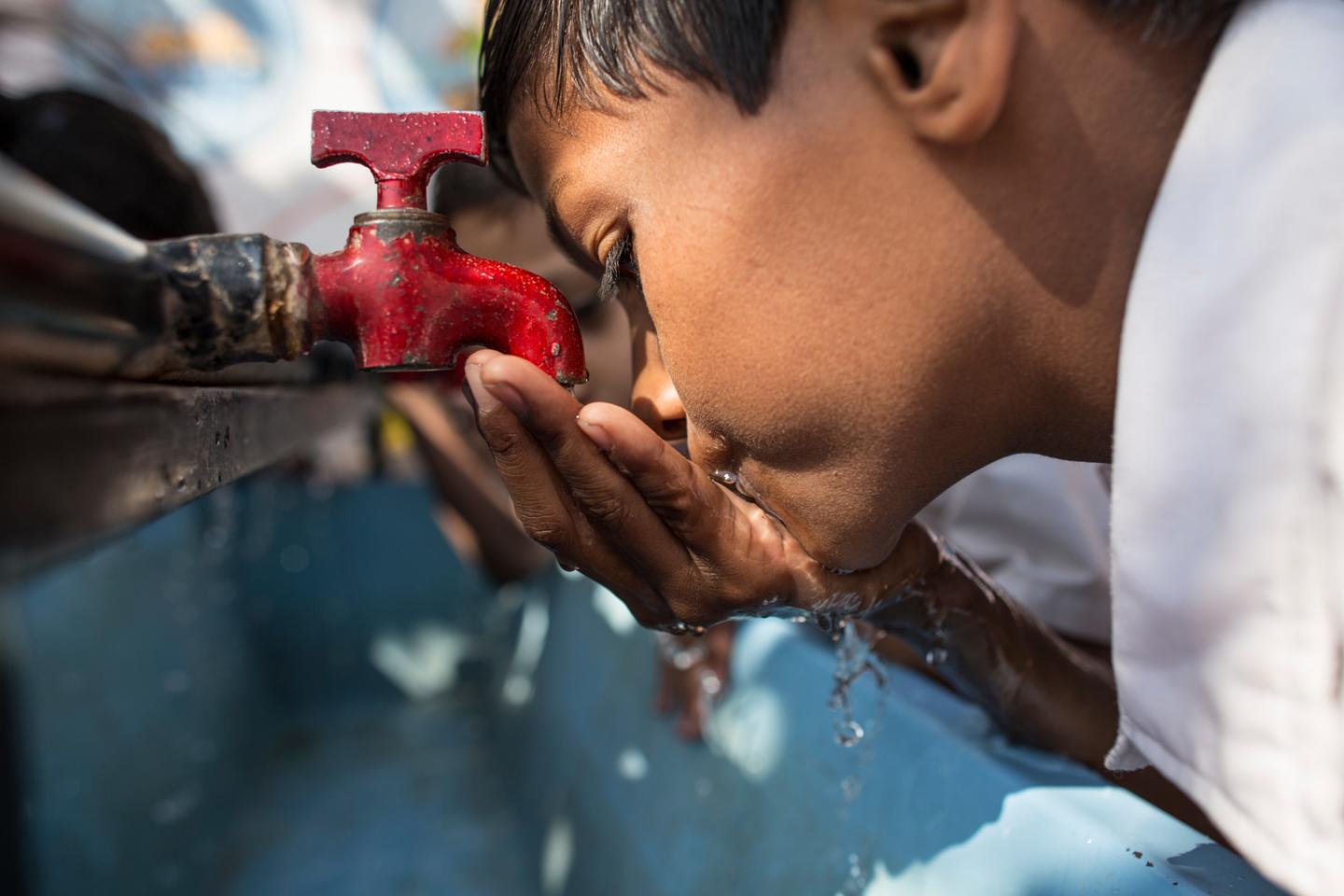
Why Hydration Matters. In everyday health, few habits are as foundational as steady hydration. Water is the medium that moves nutrients, cushions joints, regulates temperature through sweat, and supports efficient digestion and waste removal. Your brain and muscles depend on proper fluid balance to fire signals, deliver oxygen, and generate energy. When intake lags, even slightly, you may notice headaches, dry mouth, fatigue, irritability, or fuzzy focus. Behind the scenes, your kidneys and hormones fine tune fluid balance to keep blood volume and cellular osmolality in range. This balance helps your heart pump smoothly and your skin maintain a plump, healthy appearance. Hydration is not only about quenching thirst; it is about maintaining the conditions every cell needs to function. Think of water as a silent partner to everything you ask your body to do, from taking a brisk walk to solving complex problems. Prioritizing consistent sipping helps your body stay ahead of demand, so you feel clear, energized, and resilient throughout the day.
How Much Do You Need. There is no single rule that fits every body because hydration needs shift with size, activity, climate, and diet. As a practical baseline, use your built‑in biofeedback: drink to thirst and check urine color. Pale straw usually signals adequate intake, while darker shades suggest you need more fluids. Crystal clear all day can indicate overdoing it. Spread fluids across your waking hours rather than chugging at once, and remember that needs rise with heavy sweating, salty meals, high fiber intake, or hot environments. Morning hydration can gently restart digestion, while small sips before meals support mindful eating. If you exercise, prehydrate so you begin sessions well supplied, then adjust on the fly. On rest days, you may need less. The right amount leaves you feeling steady in energy, free of a dry mouth or pounding head, and urinating at comfortable intervals without urgency or strain.
The Role of Electrolytes. Electrolytes like sodium, potassium, magnesium, and chloride are charged minerals that guide fluid where it is needed and keep nerves and muscles firing. Sodium helps maintain blood volume, while potassium balances fluid inside cells and supports heart rhythm. During long or intense workouts, hot conditions, or heavy sweating, water alone may dilute sodium and trigger fatigue, cramping, or headaches. In these cases, pairing fluids with sodium can help you retain water and rehydrate efficiently. You can get electrolytes from whole foods such as salted eggs, olives, tomatoes, potatoes, bananas, yogurt, or broth, as well as purpose‑made drinks when training runs long. Be mindful of added sugars if choosing packaged options. On the flip side, drinking excessive plain water without electrolytes can lead to low blood sodium, known as hyponatremia, which may cause nausea, confusion, or swelling. Balance matters: match fluid intake to your sweat and include modest electrolytes when conditions or duration demand it.
Hydrating Foods and Drinks. Liquids are only part of a thoughtful hydration plan. Many foods naturally contribute water and minerals. Crisp produce like cucumbers, lettuce, watermelon, oranges, grapes, and berries deliver fluid along with fiber and antioxidants. Soups, stews, smoothies, and yogurt hydrate while offering macronutrients that help your body hold onto water. Herbal teas, sparkling water, and diluted fruit juices can mix up flavors and encourage steady sipping. Coffee and tea count toward hydration for most people, particularly when consumed in moderate amounts, though very large doses of caffeine may increase bathroom trips for some. Alcohol pushes fluids out of the body; pair each serving with water to offset losses and pace yourself. Temperature also plays a role: some find cool water more refreshing after activity, while warm beverages soothe digestion. Flavor infusions with citrus, mint, ginger, or berries can make plain water more inviting, supporting a consistent, enjoyable routine you can sustain.
Activity, Climate, and Sweat. Your sweat rate and environment hugely influence how much you should drink. Hot, humid weather limits evaporation, causing higher sweat losses, while dry heat or high altitude increases respiratory water loss even at rest. Air travel and climate‑controlled indoor spaces can be surprisingly dehydrating. To estimate your needs, do a simple check during a typical workout: weigh yourself before and after, account for fluids consumed and bathroom trips, and note the difference. Each half kilogram lost approximates about half a liter of fluid. Aim to replace these losses gradually over the next few hours, adding some electrolytes for longer or saltier sessions. Breaks during work or training are opportunities to sip, cool down, and reassess. Clothing matters too; lighter, breathable fabrics help reduce sweat trapping. On cooler days you might drink less but still need steady intake because thirst can be blunted. Let conditions guide you, and adapt your plan as seasons change.
Signals and Special Considerations. Bodies communicate hydration status through multiple signals. Thirst, dry lips, fatigue, dizziness, and darker urine are common flags for low intake. Rapid heartbeat with minimal exertion, headache, or muscle cramps can also point toward dehydration, especially in heat. Conversely, nausea, bloating, unusually clear urine, or hand swelling may signal overhydration. Certain groups deserve extra attention: children and older adults may have muted thirst cues; people who are pregnant or breastfeeding have higher fluid needs; individuals taking diuretics or managing kidney, heart, or endocrine conditions may require tailored guidance. Illness with fever, vomiting, or diarrhea rapidly raises requirements due to fluid and electrolyte losses. In all cases, a balanced approach works best: combine water, hydrating foods, and, when appropriate, sodium‑containing options. Tune in to patterns across days, not just single moments, and seek personalized advice if symptoms persist or if you manage a complex medical condition.
Building a Sustainable Routine. The best hydration habit is the one you actually keep. Anchor sipping to daily cues you already follow: after waking, with meals, mid‑afternoon, and post‑exercise. Keep a reusable bottle within reach, and choose a size that encourages steady progress without pressure to chug. Flavor lightly with citrus, herbs, or a splash of juice if that helps you drink more. Track casually by noticing urine color, energy, and mood rather than obsessing over exact milliliters. On busy days, set subtle reminders or place water in visible spots where you work and relax. Plan ahead for travel or long meetings with an extra bottle and a small electrolyte option if you tend to sweat heavily. Align your intake with the seasons and your training cycles, and let appetite, thirst, and performance guide fine‑tuning. Small, consistent steps compound into a resilient routine that supports overall health, sharper thinking, smoother digestion, and an active, comfortable life.