Nail Care Basics: Stronger, Healthier Nails at Home
Stronger, healthier nails start at home: simple daily habits, gentle care, smarter products, and clear signs of when to see a pro—no salon required.
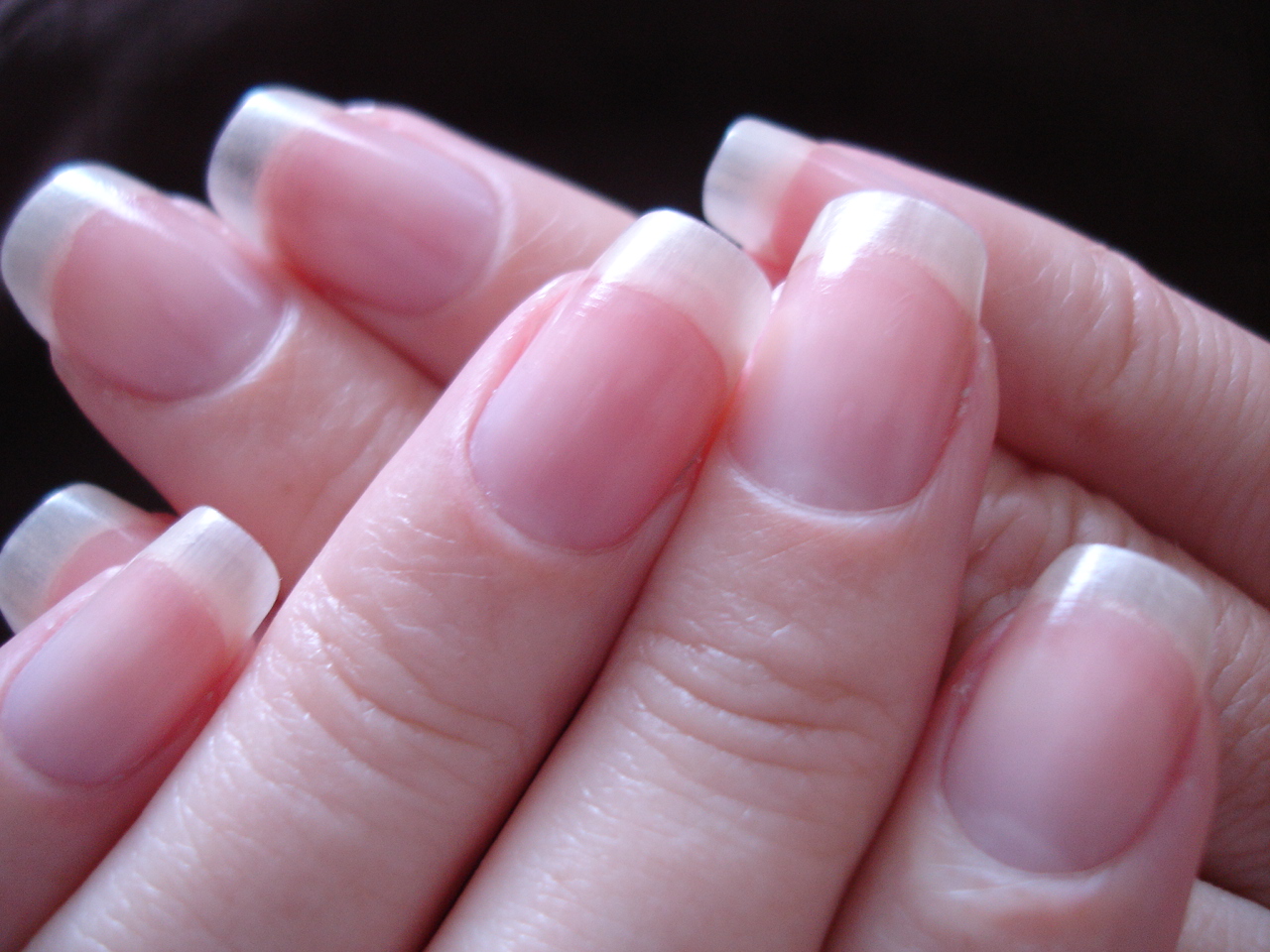
Clean Start: Prep For Strong Nails. Strong nails begin with a clean, gentle foundation. Remove old polish with an acetone-free remover and soft cotton, then wash hands with mild soap to lift residue and oils. Dry thoroughly, including under the free edge, because lingering moisture weakens the keratin layers. Shape with a fine-grit file in one direction, mirroring your cuticle's natural arc for balanced strength. Avoid sawing back and forth, which creates microtears. After a brief warm soak, use an orangewood stick to nudge cuticles back; skip cutting, which can invite irritation. If needed, apply a cuticle remover sparingly, then rinse. Buff only lightly and infrequently to smooth ridges without thinning the plate. Finish prep with cuticle oil and a nourishing hand cream to lock in hydration. Keep tools clean—wipe with alcohol and allow to air-dry—and store them dry to deter bacteria. Consistent gentle filing, respectful cuticle care, and mindful hydration set the stage for stronger, healthier nails at home.
Daily Habits That Feed Nail Health. Beauty-friendly nails reflect steady, supportive habits. Hydration matters: sip water regularly, and seal in moisture with cuticle oil after washing hands. Prioritize a balanced plate with protein, biotin-rich foods, iron, zinc, and omega-3s to support keratin production and flexibility. Wear gloves for dishes, cleaning, and gardening to shield from detergents and prolonged water exposure. Avoid using nails as tools—reach for a key or opener instead—to prevent leverage-related splits. Maintain a comfortable length that suits your lifestyle; shorter nails experience fewer snags during busy routines. Apply hand cream and SPF on the backs of hands to protect skin and the nail matrix area. At night, layer a richer occlusive over oil to reduce transepidermal water loss. Build a small ritual—oil at your desk, cream by the sink—to make care automatic. Consistency transforms fragile tips into resilient, glossy nails without drastic measures.
Smart At-Home Manicures That Last. Technique turns polish into protection. Start by wiping nails with isopropyl alcohol to gently dehydrate the surface, then apply a base coat to improve adhesion and shield from staining. Use thin, even layers of color and cap the free edge to seal. Allow each coat to dry before the next; patience prevents bubbles and dents. Roll bottles between your palms instead of shaking to reduce air pockets. Keep product off skin by guiding the brush just shy of the cuticle—flooding can lift polish prematurely. Finish with a glossy or long-wear top coat, refreshing it every few days to extend wear and guard against chips. For removal, avoid scraping; soak cotton, press, and let the remover do the work. For gels, use proper soak-off wraps rather than peeling, which strips layers. Build in polish breaks when nails feel dry, and store polishes cool and upright. If a formula thickens, use professional thinner, not remover, to restore glide.
Strengthening And Repair, Minus The Damage. When nails peel or split, aim for flexible strength, not brittleness. Choose a balanced nail strengthener or treatment with conditioning agents; overusing rigid hardeners can lead to snaps. Keep nails oiled to plasticize the plate and reduce flaking. For small tears, try the silk or tea-bag wrap method with a light bonding resin, then seal with top coat. File with a glass or fine-grit file, moving in one direction to prevent new frays; a soft square or oval shape distributes impact well. Trim length if nails bend easily—leverage amplifies breakage. Buff only to smooth snags, never to a shine that thins layers. Limit water and solvent exposure, and rotate tasks with gloves. If you consider supplements, remember that results vary; focus first on nutrition and routine. Watch for persistent discoloration, pain, or swelling—those signs warrant professional evaluation. Thoughtful tweaks and targeted care rebuild integrity without overprocessing.
Hygiene, Safety, And A Routine You'll Keep. Clean tools equal beautiful results. Wash files, pushers, and clippers with soap, rinse, then disinfect and dry thoroughly; replace worn buffers and avoid sharing personal tools. Tackle hangnails by trimming with sanitized nippers—never rip. Keep a mini kit with oil, file, and bandages for on-the-go fixes to prevent minor snags from escalating. Dry hands and nails after bathing, and rotate breathable socks and gloves to deter excess moisture around nails. If you're sensitive, patch-test new products and choose gentle, low-odor formulas. Create a bedtime ritual: cleanse, apply cuticle oil, layer rich hand cream, and, if desired, slip on cotton gloves for an overnight moisture boost. Manage stress triggers that lead to picking by keeping nails smoothly filed and hands occupied. Seek guidance for recurring brittleness or sudden changes. Above all, commit to consistency—small, repeatable steps compound into stronger, smoother, and healthier nails you're proud to show off.