Photo-Ready Travels: How to Capture Stunning Shots on the Go
From sunrise light to quick edits on your phone, master simple, on-the-go techniques to compose, shoot, and share stunning travel photos anywhere.
Pack Light, Plan Smart
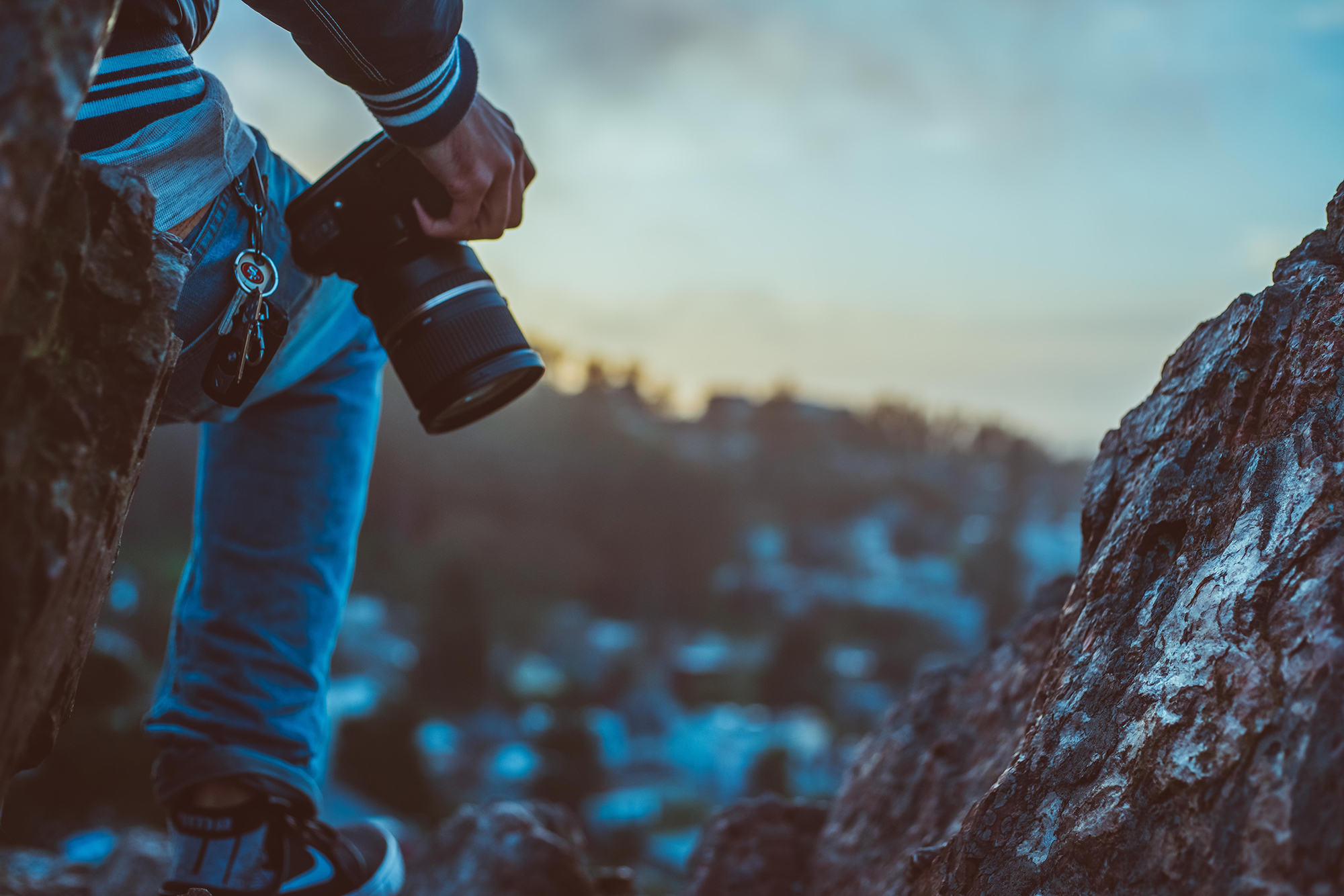
A photo-ready trip begins before you board. Pack light so you stay mobile, alert, and ready to react to fleeting moments. Choose a versatile setup: a compact camera or capable phone, a small prime or zoom, a microfiber cloth, spare cards, and a discreet bag with a weatherproof pouch. Build a simple shot list that balances landmarks, street scenes, food, details, and candid moments; it keeps you intentional without stifling serendipity. Prep your device with RAW enabled where available, gridlines visible, and a few custom profiles that fit your taste. Map sunrise and sunset angles, but keep plans flexible for changing skies. For battery management, carry a slim power bank, switch off nonessential services, and travel with a short cable for quick top-ups. Practice quick draws and one-handed shooting at home so muscle memory kicks in on the road. Most of all, keep your kit organized, minimize lens swaps, and embrace a less-is-more mindset that favors movement over bulk.
Chase Light, Shape Your Frame
Great travel images are built on light and composition. Seek the soft glow of golden hour for flattering skin tones and textured architecture, or find open shade at midday to avoid harsh contrast. Try backlighting for halos around hair and leaves, then expose for highlights to keep the scene dreamy. Strengthen each frame with the rule of thirds, leading lines, and frames within frames like arches and doorways. Add foreground interest—a railing, flowers, or a café cup—to create depth, and leave negative space so your subject breathes. Explore reflections in windows, fountains, and puddles for symmetry and mood. Change perspective: kneel, climb a step, or lean out safely to alter scale and simplify clutter. Use gentle exposure compensation to protect bright skies, and watch for distracting elements near the edges. When in doubt, simplify; remove one element and see if the story gets clearer. Light plus clean structure turns ordinary stops into memorable visuals.
Portraits and People with Respect
Travel portraits shine when you blend storytelling with respect. Start with a smile, a friendly wave, and clear consent—a nod, a brief ask, or shared laughter goes a long way. Aim for environmental portraits that include context: a baker framed by warm ovens, a musician backed by colorful posters, a market vendor surrounded by produce. Focus on the eyes and steady your hands; even phones excel when you tap to focus and nudge exposure. Use gentle shallow depth of field by stepping closer, not just by dialing settings, to isolate faces while keeping key details. Capture gestures—hands at work, fabrics being folded, steam rising—because they root a portrait in place. Work respectfully around ceremonies, private spaces, and children; sometimes the best choice is to put the camera down. For lively streets, try burst mode to freeze genuine expressions as they unfold, then curate with care, choosing frames that honor dignity, culture, and authentic connection without stereotypes.
On-the-Go Techniques for Crisp Results
Master small habits that pay off big. For stabilization, brace elbows against your torso or a wall, plant your feet shoulder-width, and exhale gently as you press the shutter. Use a self-timer to avoid shake, or voice control when your hands are full. Lock in crucial elements with focus lock and exposure lock before recomposing around bright skies or dark alleys. Create sweeping panoramas, including vertical panos for towers and waterfalls, and try HDR or bracketing for high-contrast interiors and sunlit courtyards. In low light, raise ISO moderately, lean on built-in stabilization, and favor steady technique over aggressive sharpening later. Embrace reflections and shadows to add mood, and include a person or bicycle for scale so viewers feel the place, not just see it. Shoot a clean establishing wide, a medium scene-setter, and a tight detail; this trio builds narrative flow. Above all, anticipate action—watch patterns, pre-focus, and be ready when light and subject align.
Edit, Back Up, and Share Thoughtfully
A strong travel gallery is crafted as much in curation as in capture. Each evening, perform quick curation: flag keepers that tell a cohesive story and delete obvious misses to free space. Prioritize backup with multiple copies—rotate memory cards and sync to a small drive or secondary device so one mishap does not end the trip. Apply non-destructive edits in mobile editors: adjust white balance to correct color casts, refine exposure, add gentle contrast, and protect skin tones. Use light presets for consistency, but tailor them to each scene; temper saturation so colors feel true to place. Add meaningful metadata: a short caption, neighborhood name, and context for cultural moments, taking care with sensitive sites. Practice ethics on and off camera—avoid blocking pathways, respect privacy, and skip exact geotags for fragile environments. Export thoughtfully with balanced resolution and compression. When your images carry care and context, viewers will feel transported, not just informed.