Plant-Powered Plates: Adding More Color to Meals
Brighten your plate with plants. Learn the color code of produce, simple swaps, and quick recipes to boost flavor, fiber, and everyday wellness.
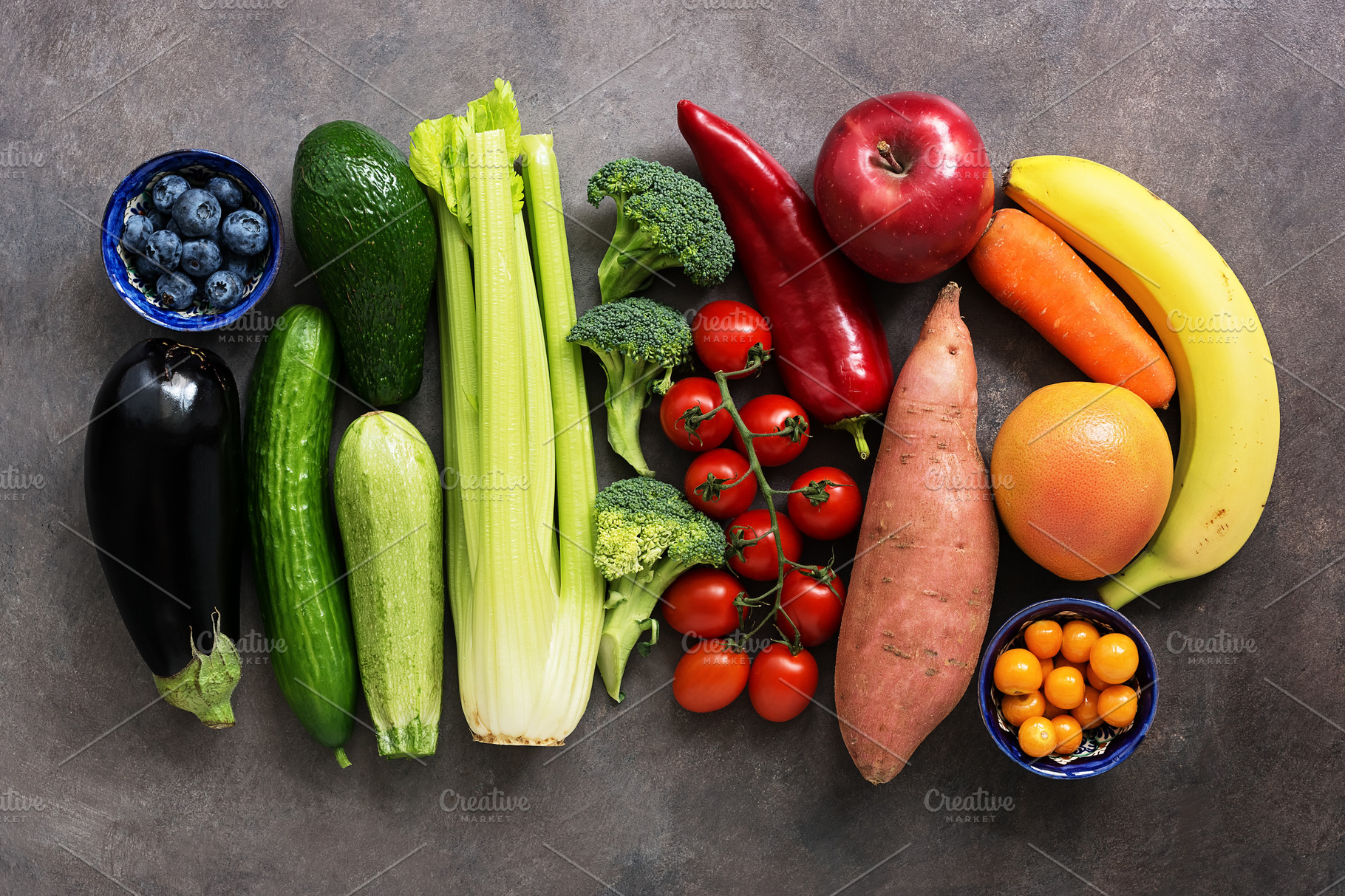
Vibrant Foundations. Color on your plate is more than decoration; it is a practical guide to better health. Each shade in fruits, vegetables, legumes, whole grains, nuts, and seeds signals a different blend of phytonutrients, antioxidants, and fiber. Reds often point to lycopene and anthocyanins; oranges and yellows suggest carotenoids like beta-carotene; greens deliver folate, vitamin K, and magnesium; blues and purples are rich in polyphenols; whites and browns bring prebiotics and umami depth. By eating a rainbow, you naturally increase nutrient diversity, which supports the gut microbiome, steady energy, and satisfying satiety. Think of color as a compass: bright salads, roasted trays with mixed vegetables, grain bowls crowned with herbs, and fruit-forward snacks make it easier to meet your goals. Start with one extra hue at each meal, then layer flavors and textures for enjoyment. The result feels abundant, not restrictive, and invites sustainable, plant-forward balance that keeps meals exciting and nourishing.
Reds That Revitalize. Red and pink foods bring lively flavor and notable nutrient power. Tomatoes, red peppers, strawberries, raspberries, cherries, beets, radishes, and watermelon offer lycopene, anthocyanins, vitamin C, potassium, and natural nitrates that support circulation. Cooking tomatoes in a drizzle of olive oil can enhance lycopene absorption, while raw berries preserve delicate polyphenols for fresh brightness. Try roasting beets until tender, then slice them into a citrusy salad with arugula, toasted walnuts, and a gentle vinaigrette for a sweet-earthy contrast. Blend strawberries into a smoothie with oats and yogurt alternatives for creamy fiber and slow-burning carbs. Stir chopped red peppers into a chickpea shakshuka or fold diced tomatoes into a quick salsa for grain bowls. These ingredients elevate recovery after activity, support everyday vitality, and hydrate with natural juices. Keep frozen berries on hand for convenience, and lean on jarred roasted peppers to add instant depth when time is tight.
Sunset Shades: Orange and Yellow. Orange and yellow foods shine with carotenoids like beta-carotene, plus vitamin C, lutein, and zeaxanthin that help maintain vision and overall resilience. Carrots, sweet potatoes, winter squash, mango, apricot, pineapple, yellow peppers, and corn bring sunny sweetness to both savory and sweet dishes. Because carotenoids are fat-soluble, pair them with healthy fats such as avocado, tahini, olive oil, or nut butters to boost absorption. Roast sweet potato wedges until caramelized, then top with black beans, cilantro, and a squeeze of lime for a hearty bowl. Grate carrots into overnight oats with cinnamon and raisins for a wholesome, dessert-like breakfast. Simmer red lentils with turmeric and ginger, then finish with diced yellow peppers for color and crunch. A mango salsa livens grain salads, while golden squash blends into silky soup for comfort without heaviness. These cheerful shades bring balance, help round out fiber intake, and lend natural sweetness that can reduce added sugars.
Going Green, Gaining Balance. Greens are the quiet backbone of plant-forward eating, delivering a wide range of micronutrients and gentle detox-supporting compounds. Leafy options like spinach, kale, chard, arugula, and romaine provide folate, vitamin K, iron, and magnesium, while crucifers such as broccoli, Brussels sprouts, and bok choy add glucosinolates and satisfying crunch. Herbs like parsley, basil, mint, and cilantro brighten dishes with chlorophyll and aromatic oils. To enjoy greens daily, vary preparation: massage kale with lemon to soften; steam broccoli briefly to keep snap and color; blitz herbs into a quick pesto with walnuts; toss arugula into warm grains to gently wilt. Build a green base bowl with quinoa, roasted chickpeas, cucumber, and a tahini-lime dressing, or swirl spinach into lentil soup for extra body. Balance raw and cooked textures to aid digestion and nutrient availability. With greens anchoring the plate, everything else feels complementary, fresh, and effortlessly nourishing.
Blues and Purples With Purpose. Blue and purple foods offer concentrated anthocyanins and polyphenols linked to cellular protection and everyday cognitive support. Blueberries, blackberries, concord grapes, plums, figs, purple cabbage, and eggplant bring depth, sweetness, and a touch of intrigue. Add a handful of berries to oatmeal or chia pudding for color and natural tartness; fold them into whole-grain batter for weekend pancakes; or freeze them into simple fruit pops with blended banana. Shred purple cabbage for a crunchy slaw with lime and toasted seeds, or char it in wedges for a smoky side. Roast eggplant until jammy, then layer onto hummus toast with herbs and lemon zest for satisfying umami. These hues also pair well with warm spices like cinnamon and cardamom, which complement their robust flavors. By rotating blue and purple produce into snacks and sides, you expand your antioxidant spectrum, support the microbiome, and keep plates visually striking without extra complexity.
Neutral Tones, Powerful Effects. Whites and browns may look understated, yet they deliver meaningful benefits. Cauliflower, mushrooms, onions, garlic, parsnips, turnips, oats, barley, beans, lentils, nuts, and seeds contribute prebiotic fiber, allicin, beta-glucans, minerals, and satisfying textures. Cauliflower morphs into mash, rice, or steaks, offering creaminess without heavy sauces. Mushrooms bring deep umami, enhancing plant proteins like tofu or tempeh in stir-fries and ragùs. Slow-cook onions to coax sweetness, then pair with beans and herbs for a comforting bowl. Toast nuts and seeds to amplify aroma and crunch, sprinkling them over salads, soups, and roasted vegetables to elevate satiety. Oats and barley provide soluble fiber that helps keep energy steady. Blend soaked cashews for a silky dressing or fold white beans into dips for light, protein-rich spreads. These neutral tones knit meals together, bridging bright produce with wholesome grains, and make colorful plates more filling, flavorful, and balanced.
Practical Path to a Colorful Routine. Consistency comes from simple, repeatable habits. Start with a color checklist: aim for at least three hues per meal, rotating choices through the week to keep variety high. Shop the perimeter for produce, but embrace frozen and canned options without added sugar or excess sodium when fresh is limited; they preserve nutrients and reduce waste. Prep components once: roast mixed vegetables, cook a pot of grains, simmer a versatile bean pot, and wash hearty greens. Then mix and match for quick bowls, wraps, and soups. Use habit stacking: add berries to your breakfast, a green side at lunch, and an extra vegetable at dinner. Build flavor layering with citrus, vinegar, herbs, and spice blends to keep salt modest while maximizing satisfaction. Plan theme nights like stir-fry, taco bowls, or sheet-pan suppers to streamline decisions. Small, colorful steps compound into a vibrant, plant-powered pattern that supports long-term health and genuine enjoyment.