Slow Travel: How to Savor Every Mile
Swap bucket lists for deeper journeys. Learn how to slow travel—linger longer, connect locally, and savor every mile with intention and ease.
Unrushed Mindset — Slow travel is a commitment to presence, an invitation to trade speed for depth and checklists for curiosity. Instead of trying to see everything, you focus on experiencing a few places deeply, noticing the cadence of streets at dawn, the warmth in a barista's greeting, and the way a coastline changes with the tide. This approach nurtures patience, lowers stress, and opens space for genuine connections with people and landscapes. When you slow down, you hear more, taste more, and remember more because your senses are not racing to the next stop. You can linger over a market stall, ask a vendor about a family recipe, or watch a local festival unfold without rushing to capture it. Slow travel is not laziness; it is intentionality. It invites you to measure success in stories rather than distances, and fulfillment in moments rather than metrics, letting each mile unfold with meaning.
Flexible Itinerary — Designing a slow journey starts with generous margins and flexibility baked into the plan. Choose fewer destinations and give them longer stays, allowing room for serendipity to guide you. Outline anchors—like a market you want to explore or a trail you hope to hike—but keep your schedule breathable so you can say yes to an impromptu picnic, a neighbor's recommendation, or a craft workshop you discover on a stroll. Build buffer days for rest or weather shifts, and cluster activities by neighborhood to minimize transit time. Research key logistics while leaving space for curiosity to lead; a conversation at a café might reveal a viewpoint you would never have found online. Embrace the art of editing: remove one item from your list for every new one you add. That way your days stay grounded, your energy stays high, and your travels remain aligned with the spirit of savoring every mile.
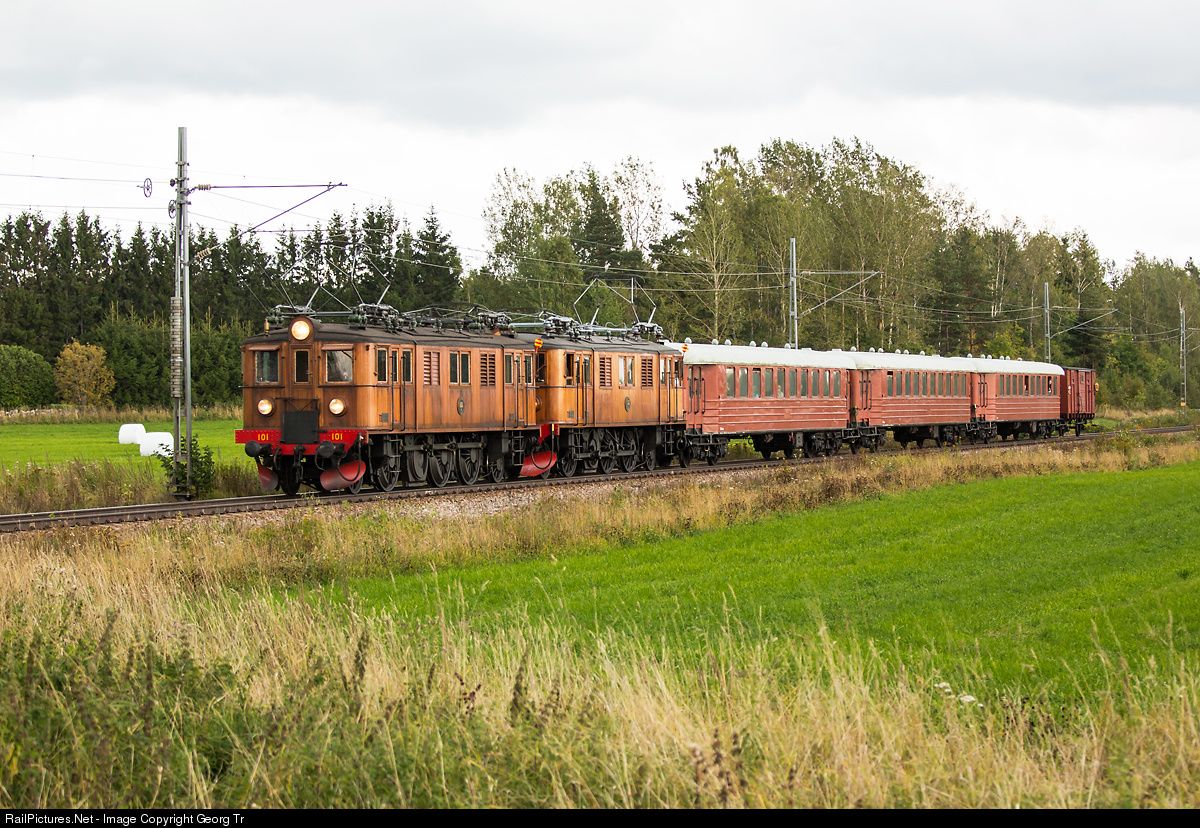
Journey as Destination — In slow travel, the way you move becomes part of the experience, not just a bridge between highlights. Favor trains, buses, ferries, bicycles, and your own two feet to tune into the landscape's rhythm and the texture of daily life. Let local transit patterns teach you how a place breathes—rush hours, quiet midday lulls, and scenic corridors that reveal villages, farms, and shorelines. Choose routes for beauty rather than mere efficiency, and treat travel days like contemplative retreats: read, journal, or practice mindfulness as scenery drifts by. Walking expands micro-discoveries—murals tucked into alleys, small shrines, or corner bakeries with irresistible aromas. If distances are great, break them into stages, staying overnight in in-between towns that seldom make glossy lists. By prioritizing slowness over speed, you lighten your environmental impact, reduce stress, and meet fellow travelers and locals whose stories transform a line on a map into a living, breathing narrative.
Live Like a Local — Slow travel thrives on immersion. Shop where residents shop, timing visits to neighborhood markets when conversations are lively and seasonal produce is abundant. Choose a corner table at a café and watch the choreography of ordinary life unfold: schoolchildren with satchels, cyclists weaving through streets, elders sharing news. Learn a few phrases of the local language and use them often; sincerity bridges gaps better than perfect grammar. Skip the packed highlights one afternoon to wander side streets, stepping into bookshops, tiny galleries, or family-run eateries where menus change with the day's catch. Ask open-ended questions and listen generously. Take up micro-adventures: a morning pastry crawl, a bus ride to the last stop, or a community class in dance or pottery. By engaging with the rhythms of a place rather than skimming its surface, you create memories anchored in relationships, aromas, and sounds—not just photos.
Settle In Longer — Where you stay can shape how you experience a destination. Opt for independent guesthouses, small inns, or apartment stays in residential neighborhoods that invite you into the local routine. With a home base, you can unpack, learn the names of nearby shopkeepers, and find a favorite bench for sunset. Use your kitchen to prepare simple meals from market ingredients, discovering the flavors people love every day. Plan themed days—architecture, urban gardens, or riverside walks—radiating out from your base and returning without hurry. Longer stays mean mornings for slow coffees and evenings for unplanned wandering, punctuated by moments of pure observation: laundry lines fluttering, a street musician tuning up, the smell of bread at dawn. This rootedness builds belonging and frees you from the logistics churn of constant checkouts. With time on your side, you give chance encounters room to bloom into invitations, insights, and the subtle magic of feeling at home away from home.
Savor with Your Senses — Slow travel is a sensory practice. Guide your days by taste and texture, pausing to compare local cheeses, teas, or pastries across neighborhoods. Let soundscapes lead you—bells, waves, market banter—and notice how they change from morning to night. Bring a small notebook for field notes: record scents after rain, color palettes from doorways, or fragments of overheard humor. Photograph details with intention—door knockers, hand-painted signs, shadows on cobblestones—treating the camera as a tool for noticing, not collecting. Build rituals: a daily walk at first light, a sketch before dinner, a five-minute breath on a park bench to absorb it all. When you slow your senses, you amplify memory; later, a single aroma can unlock a full afternoon. By honoring the micro as much as the macro, you convert ordinary scenes into beloved vignettes, transforming movement into mindful presence.
Travel Light, Tread Light — Moving slowly pairs naturally with sustainability. Pack light to reduce strain, fees, and your footprint, choosing versatile layers and durable gear you can repair. Favor reusable items—bottle, utensils, tote—to cut single-use waste, and opt for local, seasonal foods that support short supply chains. Spend where your money strengthens communities: independent cafés, family-run stays, and regional artisans. Learn basic etiquette around sacred sites, photography, and dress, and treat cultural differences with humility. By staying longer and transferring less, you lower transport emissions and stress on popular hotspots. Seek lesser-known trails or neighborhoods to distribute your presence and discover authentic character beyond headline sights. When you do visit icons, go early, go gently, and leave no trace. Sustainable choices are not perfection tests; they are a series of mindful decisions that accumulate into respect—for the place, its people, and future travelers.
Measure by Moments, Not Miles — The greatest tool in slow travel is attention. Set gentle boundaries with screens, allow boredom to spark wonder, and accept delays as chances to observe rather than obstacles to conquer. Prepare a flexible toolkit: offline maps, a phrase list, a compact rain layer, a tiny first-aid kit, and a favorite pen for notes. When plans shift, use the pivot as a prompt—what nearby street, gallery, or park could surprise you? Reflect each evening: What made me feel alive? What did I learn from someone today? Track joy, not totals. If impatience creeps in, recalibrate by simplifying tomorrow's agenda and revisiting a spot you loved. Let your measure of success be the quality of connections and the richness of your stories. In choosing savor over speed, you'll discover that every mile contains a world, and that the journey itself is the destination worth lingering for.