The Art of Packing: Lightweight Lists for Any Journey
Pack smarter, not heavier: build lightweight lists that cut clutter, fit any trip, and keep you comfortable, confident, and ready for every adventure.
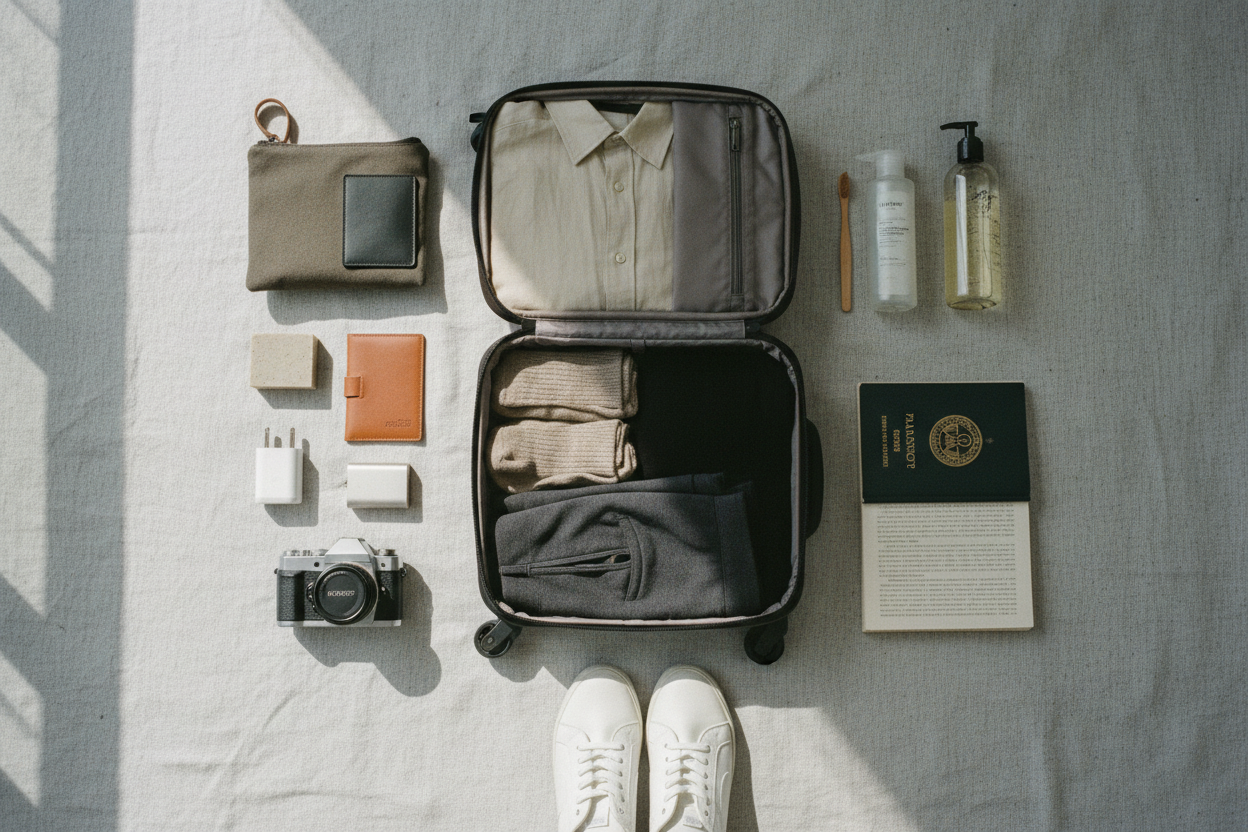
Pack with Purpose: Lightweight packing starts with intention. Instead of asking what might be nice to bring, ask what you can confidently leave behind. Build a compact system around a consistent color palette and a tight capsule wardrobe, so every item plays with the rest. Prioritize versatility, weight, and volume over novelty: breathable layers, quick drying fabrics, and items that serve two or three roles. Favor a one-bag approach when possible; constraints sharpen decisions and simplify movement through stations, streets, and stairs. Practice a mini laundry routine so you can rotate fewer garments more often. Replace just-in-case spares with problem solvers like a tiny sewing kit and stain wipe. Organize by function rather than by outfit, which speeds repacking and reduces rummaging. Finally, visualize the journey from doorstep to destination: what you wear in transit, what you reach for at security, and what you need on arrival. This mindset turns packing from a guessing game into a calm, repeatable craft.
Build the Clothing Core: Start with two or three breathable tops, two adaptable bottoms, and a performance base of five pairs of underwear and two or three pairs of socks, all in quick drying materials like merino or technical synthetics. Add one insulating layer and a light rain shell that also cuts wind. Choose footwear wisely: one broken in pair that handles most walking, plus optional sandals or foldable flats if your plans demand them. Aim for layers that mix to meet changing conditions, rather than single purpose items. Sleepwear can double as lounge wear; a buff can be a headband, eye mask, or neck warmer. Roll or fold intentionally to reduce creasing, then stage items in slim packing cubes to separate clean from worn. If your trip spans city and trail, pick a smart casual shirt that also breathes on hikes, and trail pants that pass in a cafe. Keep accessories minimal yet impactful: a compact scarf, a cap, and lightweight gloves.
Streamline Toiletries and Health: Decant liquids into small, leak resistant bottles and choose solid toiletries whenever possible to dodge spills and save space. A compact kit might include concentrated shampoo bar, mini conditioner, toothpaste tabs, travel toothbrush, silk floss, deodorant, and a pea sized tin of balm for lips, cuticles, and flyaways. Add a tiny first aid envelope with plasters, pain relief, antihistamine, and any personal medication, duplicated in a second stash for redundancy. Include sun protection, insect repellent suited to the region, and a slim quick dry towel for just in case moments. Stow everything in a clear pouch so security checks are smooth and bathroom setups are fast. Skip hotel sized freebies; refill on the road when needed. Keep grooming tools focused: nail file, tweezers, and a lightweight razor if relevant. Finally, park wipes and hand sanitizer in an exterior pocket so you can freshen up in transit without unzipping the entire bag.
Tame Tech and Documents: Treat electronics as a tiny ecosystem. Pack a multi port charger, short cables for every device, and one universal adapter for outlets. A flat power bank earns its place if your routes include long rides or photo heavy days. Coil cords with reusable ties and corral them in a slim pouch so the bag stays tangle free. Consider eSIM options or bring a paper clip for SIM swaps, and download offline maps, bookings, and translations before departure. Guard identity with a minimalist wallet holding passport, cards, and a backup stash of emergency cash distributed in two locations. Keep digital copies of critical papers in encrypted storage and a simple printed summary in your daypack. For comfort and efficiency, add featherweight earbuds, a microfiber screen cloth, and blue light glasses if you use them. Make this kit a repeatable checklist, so packing night becomes verification rather than invention.
Customize and Execute the Process: Tune your list to climate, culture, and activity. For humid tropics, bias toward mesh lined garments and quick drying fabrics; for alpine zones, boost mid layers and a beanie; for coastal escapes, emphasize sun coverage and a packable swim layer. Respect local norms with modest options or a scarf that shifts an outfit from casual to respectful. Before zipping up, perform a flat lay audit: every piece visible, every function clear. Wear your bulkiest shoes and outer layer, then balance weight distribution by placing dense items low and centered. Stage a day one kit at the top with toiletries, a fresh top, and chargers for easy access after arrival. During the trip, adjust in micro loops: do a sink wash, log what went unused, and note surprises. Consider souvenir strategy early, favoring small consumables or shipping home if needed. Repack the same way each move, turning travel days into smooth, practiced rituals.