The Beginner's Guide to Balanced Nutrition
A simple roadmap to balanced eating: understand macros and micros, portion sizes, and meal planning to boost energy, support health, and stay satisfied.
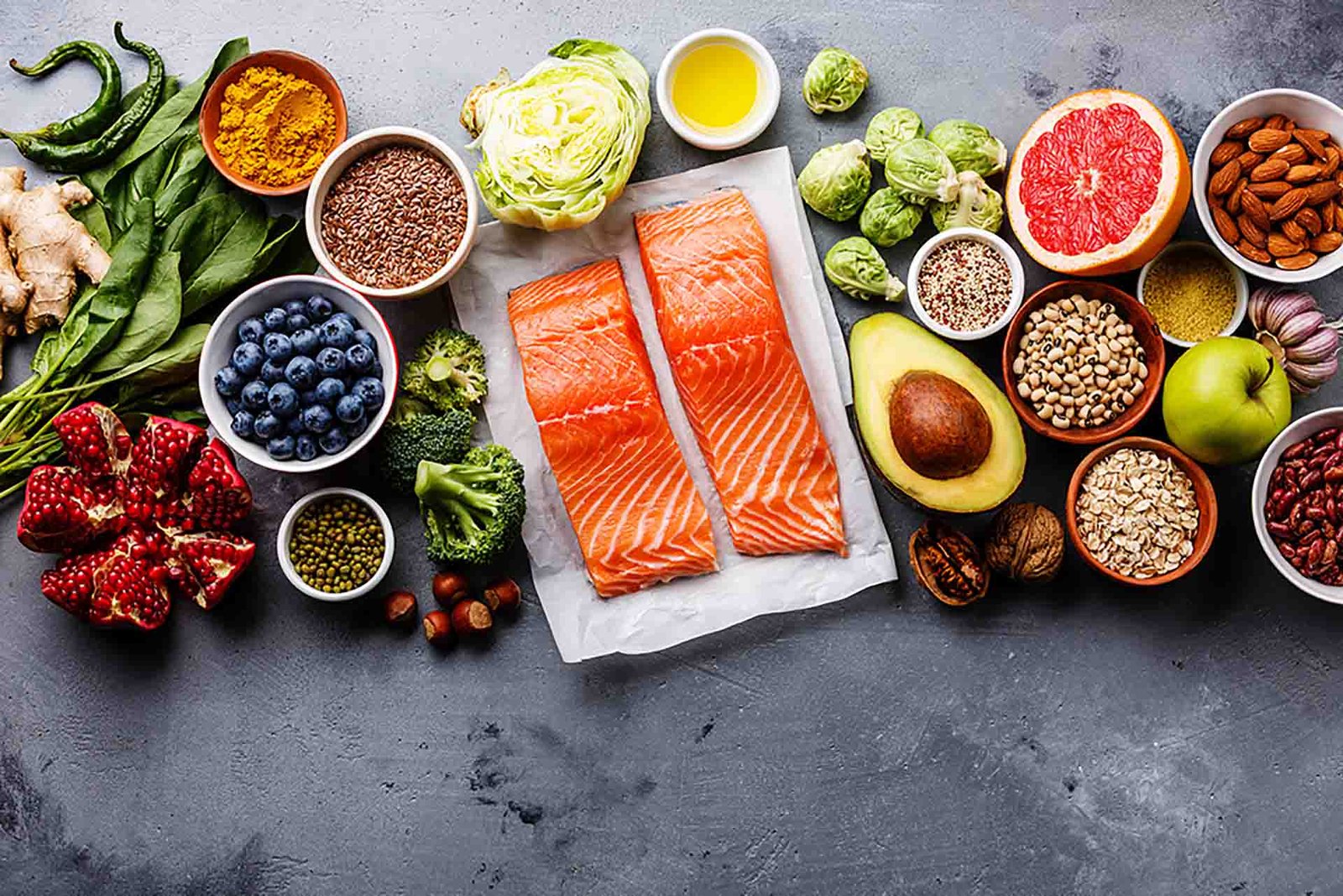
Start With the Big Picture
Balanced nutrition is a practical, flexible approach to eating that supports steady energy, a robust immune system, and long term well being. Think of it as a pattern that blends macronutrients and micronutrients with hydration, mindful portions, and enjoyable flavors. Center your choices on whole foods that are naturally rich in fiber, vitamins, and minerals, while allowing room for favorite treats without guilt. Prioritize nutrient density over sheer caloric density, choosing options that deliver more nutrition per bite. Variety matters because different foods offer different benefits; rotating fruits, vegetables, proteins, and grains helps cover your bases. Balance also means tuning in to hunger and satiety cues, eating regularly, and adjusting portions to match activity and needs. Cultural traditions, budget, and taste can all fit within a balanced plan. When in doubt, build meals around plants, add quality protein and healthy fats, and season generously with herbs and spices for satisfaction and staying power.
Macronutrients Made Simple
Carbohydrates, proteins, and fats are the macronutrients that power your day. Choose complex carbohydrates like oats, quinoa, potatoes, beans, and fruit to provide steady fuel and fiber for digestive health. Pair them with lean protein such as yogurt, eggs, fish, tofu, lentils, or poultry to support muscle repair, immune function, and fullness. Add healthy fats from olive oil, avocado, nuts, and seeds to help absorb fat soluble vitamins and keep meals satisfying. Not all carbs, proteins, and fats are equal, so focus on minimally processed sources most of the time. Balance a bowl by mixing textures and flavors, like roasted vegetables with chickpeas, a spoon of tahini, and a side of whole grains. For snacks, combine a carbohydrate with protein or fat, such as fruit with nut butter or whole grain crackers with hummus. This simple pairing strategy stabilizes energy, steadies appetite, and reduces cravings between meals.
Micronutrients and Colorful Plant Power
Vitamins, minerals, and phytonutrients drive countless processes, from bone strength to cellular defense. Aim to eat the rainbow, since color often signals different antioxidants and plant compounds. Leafy greens deliver folate, magnesium, and vitamin K; citrus and berries provide vitamin C; orange vegetables offer beta carotene; legumes add iron; dairy or fortified alternatives contribute calcium; and nuts and seeds offer zinc and selenium. Bioavailability matters, too. Pair iron rich legumes with a vitamin C source like bell pepper to enhance absorption, and enjoy some fat with vegetables to better absorb fat soluble vitamins A, D, E, and K. Gentle cooking, such as steaming or sautéing, can preserve delicate nutrients, while soaking or sprouting grains and beans may reduce compounds that limit mineral uptake. Do not overlook herbs and spices; turmeric, garlic, ginger, and cinnamon deliver concentrated antioxidants and flavor that can elevate simple meals while supporting overall metabolic and immune health.
Hydration and Energy Balance Essentials
Hydration affects focus, digestion, temperature regulation, and performance. Water is the baseline, but fruits, vegetables, soups, and herbal infusions also contribute. Sip consistently through the day, and use simple cues like thirst or urine color to gauge needs. If you sweat heavily, include foods with electrolytes, such as bananas, yogurt, or lightly salted broths. Be mindful of sweetened drinks that add calories without much nutrient density. Caffeinated beverages can fit, but balancing them with water supports overall hydration. Alongside fluids, energy balance matters for well being. Build meals with fiber rich carbs, lean protein, and healthy fats to promote steady satiety. Favor foods with lower caloric density but higher volume, like leafy greens and berries, to feel full on fewer calories. Gentle movement and regular meals can help align hunger and fullness cues. Over time, paying attention to both hydration and energy balance supports consistent vitality, stable mood, and comfortable digestion.
Building Satisfying Meals and Smart Snacks
A reliable meal pattern makes balanced eating automatic. Start with a generous portion of non starchy vegetables for fiber and volume, add a palm sized serving of protein, and include a modest amount of whole grains or starchy vegetables for steady fuel. Finish with a drizzle of healthy fat and a flavorful accent such as citrus, herbs, or a tangy yogurt sauce. For breakfast, combine oats with chia seeds, berries, and yogurt, or make a veggie omelet with toast and avocado. For lunch or dinner, try salmon with roasted sweet potato and a crunchy slaw, or lentil stew over brown rice with a leafy salad. Snacks bridge gaps and prevent extreme hunger; pair carbohydrate with protein or fat, like cottage cheese with fruit, edamame with sliced veggies, or trail mix with pumpkin seeds. Read labels with care by scanning ingredient lists, added sugars, sodium, and fiber per serving. Favor simple ingredients and cooking methods like roasting, steaming, and sautéing.
Turn Knowledge Into Lasting Habits
Consistency beats perfection. Use meal planning and a short shopping list to stock staples like whole grains, beans, eggs or tofu, frozen vegetables, fruit, yogurt, nuts, and olive oil. Batch cook building blocks on a calm day, such as a pot of grains, a tray of roasted vegetables, and a protein to mix and match through the week. Practice mindful eating by sitting down, minimizing distractions, and checking in with hunger and fullness before, during, and after meals. When dining out, scan menus for vegetables, grilled or baked proteins, and sauces on the side, and savor each bite. Expect shifts in appetite with stress, sleep, and activity; adjust portions rather than judging choices. Celebrate small wins, refine what does not work, and keep learning new recipes and flavors. By honoring preferences, culture, budget, and time, you build sustainable healthy habits that support energy, mood, and resilience day after day.