The Complete Beginner's Guide to Running Form
Learn the essential mechanics of efficient running form—from posture and cadence to foot strike and arm swing—to run farther, faster, and pain-free.
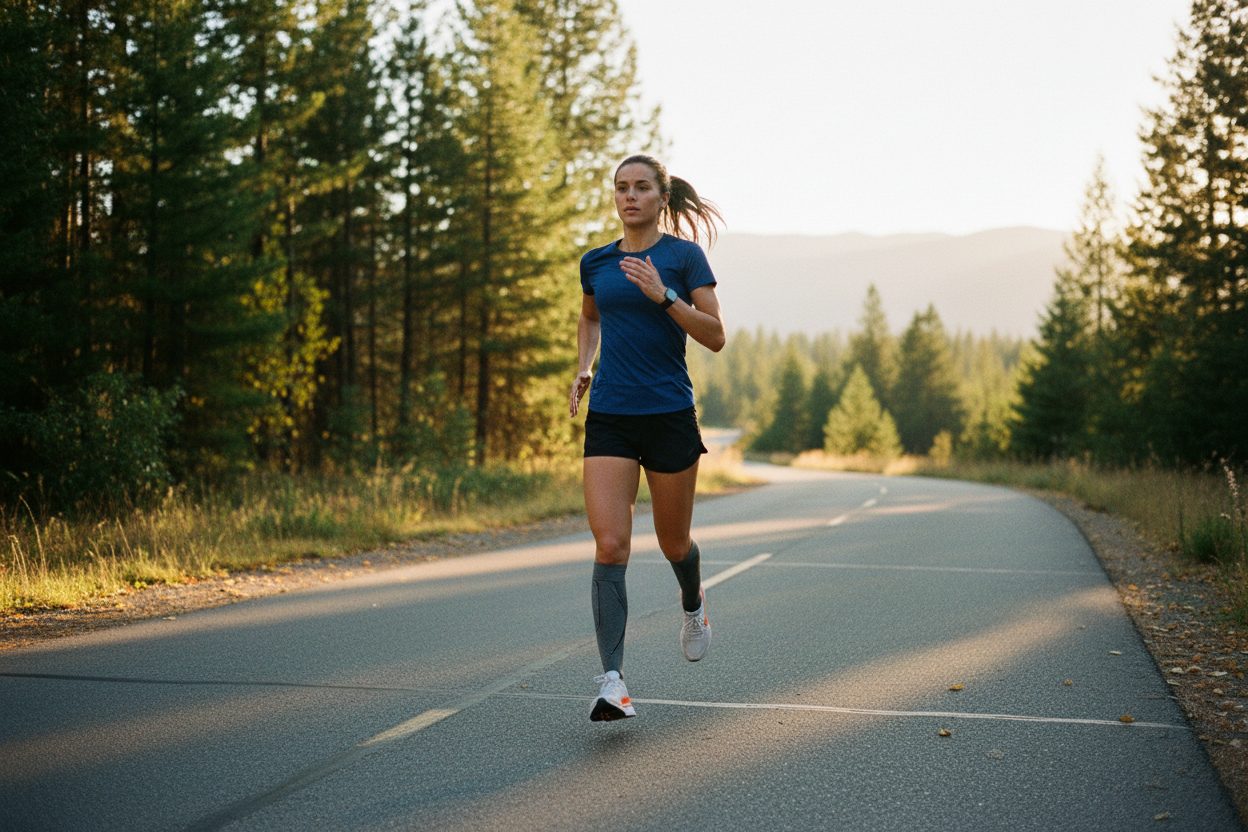
Why Running Form Matters
Good running form is the foundation of enjoyable, sustainable progress. When your posture, stride, and rhythm work together, you gain efficiency, reduce stress on your joints, and turn effort into speed and stamina with less fatigue. Solid form also supports injury prevention, since balanced movement spreads impact across the body rather than loading a single area. Think of it as a coordinated system: the head guides direction, the torso stabilizes, the arms set cadence, and the legs deliver propulsion. There is no single perfect style for every runner, but there are universal principles that help most bodies move well. Aim for relaxed control rather than stiffness or exaggeration. Light, quick steps, steady breathing, and a tall, aligned stance create a smoother ride. With practice, good mechanics become automatic, letting you focus on pace, terrain, and the simple joy of moving forward. Start with small adjustments, and let consistency build comfort and confidence.
Posture and Alignment
Efficient running starts with alignment. Stand tall as if a string lifts the crown of your head, and let your gaze rest on the horizon rather than at your feet. Keep the shoulders relaxed and slightly back, allowing the chest to open so breathing stays easy. Stack the rib cage over a neutral pelvis; avoid arching the lower back or tucking under. A slight forward lean from the ankles—not the waist—helps momentum while keeping the center of mass over the feet. Engage the core gently, like bracing to balance on a bus, to resist side-to-side wobble. Imagine your hips as headlamps pointing straight ahead; this keeps knees tracking forward and prevents crossing over the midline. Land under your body rather than out in front, and let your arms and legs move in rhythm without forcing range. This poised posture not only saves energy but also sets the stage for consistent ground contact and smoother transitions with every step.
Arms, Hands, and Rhythm
Your arms are pace-setters and balance keepers. Keep the shoulders soft, elbows bent around a comfortable angle, and hands lightly closed as if holding a fragile leaf. Swing the arms forward and back—cheek to hip—rather than across your body, which can twist the torso and waste energy. Think compact and purposeful, using the arms to steady cadence and anchor your posture during turns, uneven surfaces, or surges. If your hands rise toward your shoulders or cross your center line, tension is creeping in; shake out the fingers and reset. Match the natural counter-swing of arms and legs so each stride feels symmetrical. On uphills, a slightly quicker arm drive can cue the legs to keep moving; on downhills, keep the arms relaxed to avoid overstriding. Let the breath synchronize with your swing to maintain rhythm. When in doubt, cue yourself with short phrases like tall, loose, and quick to maintain efficient, relaxed upper-body mechanics.
Foot Strike and Cadence
Foot placement is where form meets the ground. Aim for a soft, quiet landing that occurs close to beneath your center of mass, reducing braking and protecting joints. Many runners do well with a gentle midfoot or whole-foot contact, followed by a smooth roll and quick lift. The key is to avoid overstriding, where the foot strikes too far ahead and the leg acts like a levered brake. Shorter ground contact time and a slightly brisker cadence often create lighter steps and less pounding. Think lift rather than push, and place the foot where your body will be— not where it was. On varied surfaces, let the ankle adapt, staying springy rather than stiff. If your footsteps sound loud or slappy, lighten the contact and increase turnover a touch. Small adjustments are powerful: a gentle nudge in rhythm, a subtle change in landing position, and an emphasis on softness can transform how efficient and comfortable each mile feels.
Stride Length and Hip Drive
Efficient strides come from behind you, not in front. Instead of reaching with the foot, create propulsion through hip extension and strong glute activation. Picture driving the ground back with a compact push, then lifting the heel under the hip for a swift recovery. This elastic cycle conserves energy and reduces stress on the knees and shins. Balance stride length with cadence so you move smoothly without bounding or shuffling. As pace increases, let the stride open naturally from the hips, not the knees. Keep the knee lift purposeful yet moderate to avoid wasted vertical motion. Visualize your legs as fast, efficient pendulums that never pause at full extension. Drills that emphasize hip drive can help you feel the difference between pulling yourself forward and springing forward. Over time, this back-side power turns into a fluid, economical stride that holds up across distances and terrains without feeling forced or heavy.
Breathing, Relaxation, and Focus
Form thrives on calm. Use diaphragmatic breathing to anchor rhythm and control effort, expanding the belly on inhales and fully releasing on exhales. A relaxed jaw, loose shoulders, and soft hands free energy for forward motion. Periodically scan from head to toe: unclench the teeth, let the tongue rest, drop the shoulders, and shake out the fingers. Synchronize breath and stride in a pattern that feels natural; the goal is steady oxygen flow and a sense of lightness. If a side stitch appears, slow slightly, deepen the exhale, and lengthen the torso by standing tall. Mindfulness helps, too—notice footfalls, arm swing, and posture without judgment, then nudge them toward smoother patterns. Simple cues—tall, quick, quiet—can refocus attention when fatigue rises. Remember that relaxation does not mean limp; it means stable where you need support and supple where movement should flow, creating efficient, repeatable form across easy runs and harder efforts.
Drills, Strength, and Mobility
Targeted practice locks in good mechanics. Integrate drills such as marching, A-skips, high knees, butt kicks, and fast feet to sharpen coordination and quickness. Keep them short, crisp, and focused on posture, rhythm, and foot placement. Build strength in the glutes, hamstrings, calves, and core with squats, hinges, step-ups, calf raises, planks, and anti-rotation work to stabilize the hips and spine. Prioritize mobility in ankles and hips with gentle dynamic movements like leg swings and ankle rocks so the stride can open without strain. Add single-leg stability work—balances, hops, and controlled reaches—to improve control at footstrike. Brief strides at comfortable fast speeds teach turnover and posture under quicker rhythms. Do a small menu after an easy warm-up or as part of a dedicated session, keeping quality high and fatigue modest. Regular, bite-sized practice builds durable habits, turning technique from a mental checklist into an effortless, repeatable pattern.
Troubleshooting, Terrain, and Progress
Form adapts to context. On hills, maintain a slight forward lean from the ankles and shorten the stride on the way up; on descents, think quick feet and controlled posture to avoid overstriding. On trails, lift the feet a bit higher, keep the eyes scanning ahead, and let the ankles stay responsive. If nagging aches arise—like shin, knee, or hip discomfort—inspect for common culprits: braking foot strikes, crossing over the midline, or hips dropping side to side. Video from the side and rear can reveal patterns your body hides at speed. Adjust one variable at a time, such as cadence or arm swing, and note the effect. Keep a simple log of sensations, cues that worked, and how different surfaces or shoes influenced feel. Progress is rarely linear; it is built through small, consistent refinements. Celebrate quieter footsteps, steadier breathing, and smoother transitions. With patient attention, your form will become resilient, efficient, and uniquely your own.